
 Ink Brands
 Invoice Printing Savings Without Cutting Corners
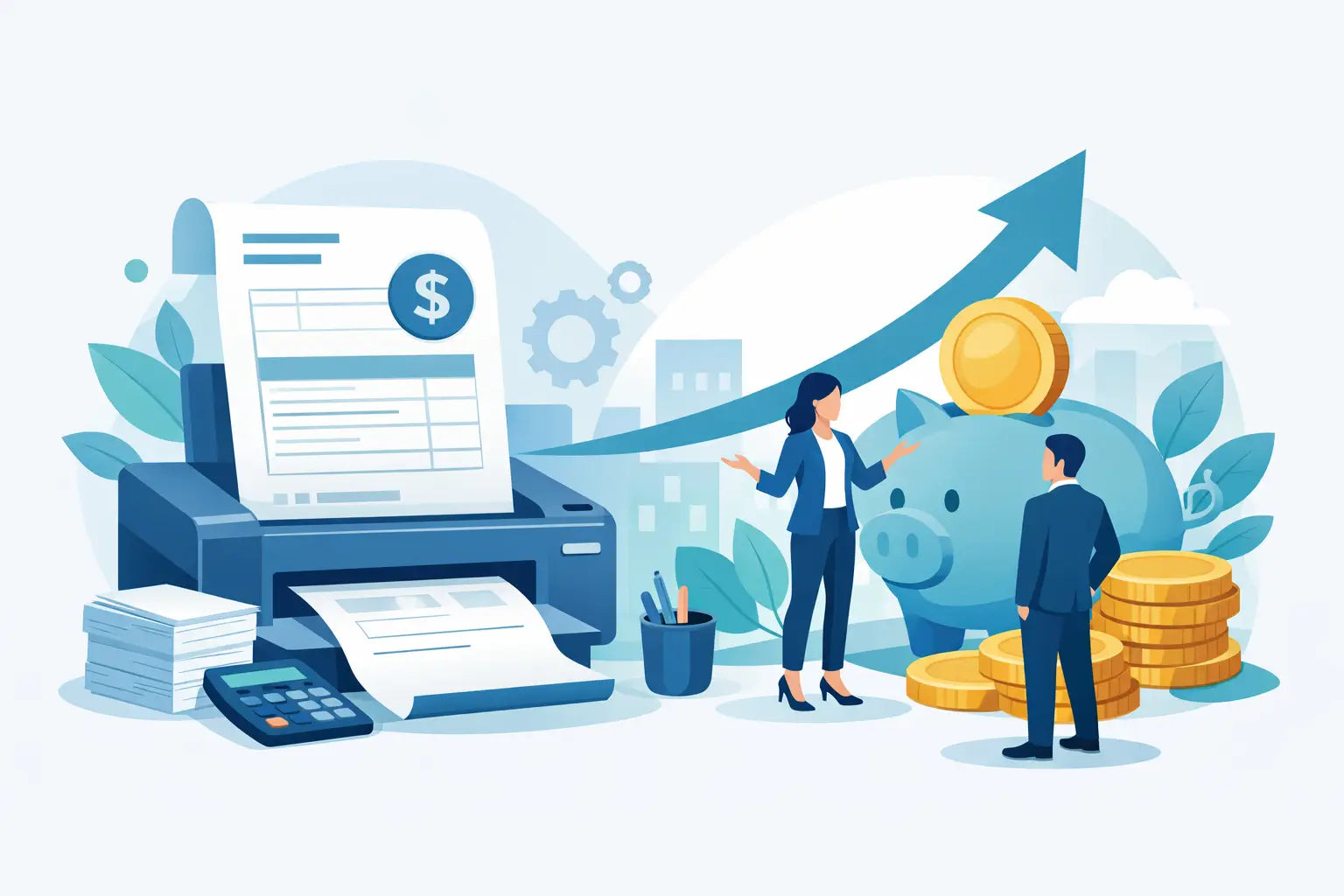
A few cents on every invoice can quietly become hundreds or thousands of dollars over a year. For a busy Australian office, invoice printing savings are not about making documents look cheap or hard to read. They come from controlling the costs that sit behind every page: toner or ink, paper, printer settings, reprints and the time staff spend fixing avoidable problems.
The goal is simple. Keep invoices professional, legible and easy for customers to pay, while using less of the consumables that make printing expensive. Here is where to start.
Start With the True Cost of Each Invoice
The cartridge price is only one part of the equation. A low-priced cartridge that runs out quickly, produces faint text or causes repeated reprints is not necessarily good value. Similarly, an expensive original cartridge may be the right option for a particular printer or workflow, but it should be measured against the volume you print and the result you actually need.
For most invoices, you are printing straightforward black text with perhaps a logo, payment details and a table of line items. This is different from producing high-resolution photos or colour marketing brochures. It means your invoice printing setup should be chosen for crisp text, dependable output and a low cost per page.
Check how many invoices you print in an average month, whether they are mostly black and white, and how often your printer needs a replacement cartridge. This gives you a useful baseline. If a cartridge claims a page yield of 2,000 pages but your real-world results are much lower, investigate the print settings, page coverage and whether colour is being used unnecessarily.
Choose Cartridges That Match Your Printing Needs
One of the most direct ways to improve invoice printing savings is choosing the right cartridge type. Genuine cartridges are made by the printer manufacturer and can be a sensible choice where a business has strict manufacturer requirements or relies on specialised print work. They are also familiar to buyers who prefer to stay within the original brand ecosystem.
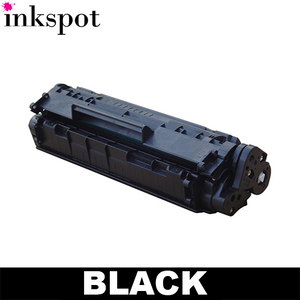
Compatible cartridges offer another option. A quality compatible cartridge is made to work with a specific printer model and can cost considerably less than a genuine equivalent. For many everyday invoice-printing tasks, it can provide clear, reliable text at a more manageable cost per page.
The key is compatibility and supplier confidence. Never assume cartridges with similar names fit the same machine. Check the printer model, not just the cartridge family, before ordering. Buying from a specialist supplier such as Inkspot also gives you access to model-based guidance, a broad range of options and support if you are unsure what your printer needs.
High-yield cartridges are worth considering when invoices are printed regularly. They cost more upfront, but usually provide a lower cost per page and reduce the interruption of changing cartridges. For a home office printing a few invoices each week, a standard-yield cartridge may be more practical. For a reception desk, warehouse or accounts team with daily volume, high-yield options often make better commercial sense.
Make Invoice Layouts Leaner, Not Less Professional
Invoices need to communicate essential information quickly: who is billing, what was supplied, how much is due, when payment is due and how to pay. Anything beyond that should earn its place on the page.
Review your invoice template with printing in mind. Oversized logos, full-width colour banners and large empty spaces can push a short invoice onto a second page. That extra sheet may seem minor, but it doubles the paper, increases toner use and creates more handling for staff and customers.
A clean design with a modest logo, sensible margins and a readable font size is usually more professional than a crowded or heavily branded page. Use black or dark grey text for the main content. If your brand uses colour, reserve it for a small logo or a limited accent rather than large blocks of colour.
Before changing the template, print a few typical invoices. Check that item descriptions, ABN details, GST information and payment instructions remain clear. Saving space should never make a customer struggle to understand what they owe or how to pay it.
Avoid Accidental Colour Printing
Colour can be one of the largest hidden costs in office printing. A colour printer may use cyan, magenta and yellow even when an invoice appears mostly black, particularly if the logo or fine text contains colour elements.
Set invoice printing to greyscale or black-and-white by default where appropriate. If you need a colour logo for customer-facing copies, create two templates: a colour version for emailed PDFs and a printer-friendly black-and-white version for paper. This approach keeps the visual experience where it matters without making every hard copy more expensive.
Use Printer Settings That Reduce Waste
Your printer settings can make a noticeable difference without changing the content of an invoice. Draft or toner-save mode can reduce toner use for internal copies, packing references or invoices that do not need presentation-quality output. For customer copies, test the setting first. Text must remain sharp enough to read easily and scan reliably.
Duplex printing is another useful setting when an invoice genuinely needs more than one page. Printing on both sides can halve paper use, although it is not always suitable. Some customers prefer single-sided paperwork for filing, and a one-page invoice should remain one-sided for simplicity.
Set the correct paper type in the printer driver as well. A mismatch can affect print quality and use more ink or toner than necessary. Standard office paper is usually all that is required for invoices. Save premium stock for documents where the finish adds real value.
Routine printer maintenance also prevents waste. Replace worn rollers when pages begin to feed poorly, keep the paper tray dry and free of curled sheets, and use the correct cartridge for your machine. A printer that jams or streaks regularly creates wasted pages and delays that are harder to see in the budget.
Reduce Reprints at the Source
A reprinted invoice costs more than paper and toner. It can delay payment, confuse a customer or create duplicate-document issues in your accounts process. Most reprints stem from small preventable errors: an outdated template, a missing purchase order number, incorrect customer details or a printer setting left over from another job.
Build a quick check into the process before printing batches. Confirm the customer name, invoice number, totals, due date and payment details. For recurring customers, keep their billing preferences on file, including whether they require a purchase order or specific email address.
It also helps to preview invoices as PDFs before sending them to print. A digital preview makes it easier to spot a page break, clipped table or unexpected blank page. This is especially useful after software updates or template changes.
Print Only When Paper Adds Value
The lowest-cost invoice is often the one that never needs to be printed. Emailing invoices as PDFs can reduce paper and cartridge consumption while helping customers receive them faster. Include clear payment terms and make the file name useful, such as the invoice number and business name, so the customer can find it later.
That said, paper still has a place. Deliveries may need a hard-copy invoice or packing document, some customers prefer printed records, and a physical copy can be useful for on-site jobs. The practical approach is not to eliminate paper at all costs. It is to print deliberately, rather than automatically.
Consider setting email as the default delivery method and printing only where a customer, delivery process or internal workflow requires it. For businesses that produce duplicates, print one customer copy and retain the digital record instead of routinely printing a second paper copy for filing.
Track the Small Changes That Add Up
After making changes, monitor the results for a month or two. Compare cartridge replacement frequency, paper orders and the number of invoices printed against earlier periods. You do not need a complicated system. A simple monthly note of pages printed, cartridges purchased and avoidable reprints will show whether your changes are working.
If print volume is growing quickly, it may also be time to reassess the printer itself. An entry-level inkjet can be economical for occasional invoices, while a monochrome laser printer is often better suited to consistent black-text volume. The right answer depends on your monthly output, whether colour is essential and how much you value fast printing.
Professional invoices do not require premium consumables, full-colour graphics or excess pages. With the right cartridge, a tidy template and a few sensible settings, every printed invoice can look credible while costing less to produce.