
 Ink Brands
 Home Office Savings That Actually Add Up

A home office can quietly become one of the more expensive rooms in the house. A few printed forms here, a replacement cartridge bought in a rush there, devices left on overnight, and suddenly the costs are harder to ignore. The most useful home office savings come from small, repeatable choices that reduce waste without making your workday less comfortable or productive.
For Australian remote workers, students and small business owners, the goal is not to run an office on the cheap. It is to spend where quality matters, avoid paying for convenience at the last minute, and get full value from the equipment you already own.
Start with the costs you can control
Before changing anything, look at what your home office uses in a typical month. Most people focus on the upfront cost of a printer, desk or monitor, but the ongoing expenses usually matter more. Printing supplies, paper, electricity, software subscriptions and incidental purchases can add up over a year.
Printing is a good example. A printer that looks affordable at checkout can become costly if it uses low-yield cartridges or if you regularly buy replacements from the nearest shop when one runs out. Knowing your printer model, cartridge type and approximate usage gives you a better basis for comparing options.
It also helps to separate essential spending from habit spending. Essential spending keeps you working reliably: a decent chair, dependable internet, replacement ink or toner when needed. Habit spending is often the extra printout, the colour draft, or the duplicate subscription that no one has reviewed for months.
Home office savings begin with smarter printing
For many home offices, printing is one of the easiest areas to improve because every page has a cost. You do not need to stop printing altogether. Contracts, school materials, shipping labels and documents that need signatures are often simpler on paper. The key is matching print settings and supplies to the job.
Set your printer to black and white and double-sided printing by default, then switch to colour or single-sided only when the document genuinely needs it. Draft mode can be suitable for internal notes and working copies, while standard or high-quality settings make more sense for client-facing material, photos or formal paperwork.
Check the print preview before pressing print. It sounds basic, but blank pages, unnecessary cover sheets and accidentally printed web pages are common sources of waste. If you only need a single section of a document, print those pages rather than the full file.
Paper choice matters too. Standard office paper is usually fine for everyday documents, while heavier specialty paper should be reserved for work where the finish affects the result. Keeping one clearly labelled paper tray or storage area also prevents damaged, damp or mixed stock from causing paper jams and reprints.
Choose cartridges based on how you print
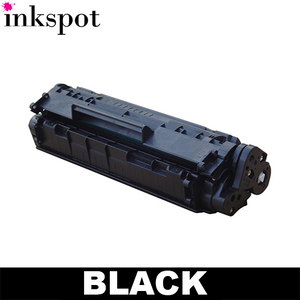
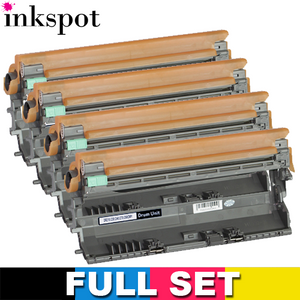
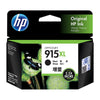
Genuine cartridges are made by the printer manufacturer and can be a sensible choice for people who want to stay with the original brand, particularly for specialised photo printing or work with strict colour requirements. Compatible cartridges are made by a third party to suit particular printer models and can offer a lower-cost alternative for routine printing.
Neither option is automatically right for every household or business. What matters is compatibility, print needs and the supplier behind the product. A low price is not a saving if the cartridge does not fit your printer or does not meet the standard needed for your work.
High-yield cartridges can also be worthwhile if you print regularly. They cost more upfront but may lower the cost per page and reduce how often you need to reorder. On the other hand, a low-use printer may be better suited to standard-yield cartridges, particularly if cartridges risk drying out before they are used.
Buying from a specialist supplier such as Inkspot can help remove the guesswork. Use the printer model to confirm the correct cartridge before ordering, and consider keeping one spare on hand. That avoids the expensive rush purchase when an urgent document needs printing.
Reduce power costs without disrupting your setup
A home office does not need to be dark, uncomfortable or constantly powered down to use less electricity. The practical approach is to stop paying for devices that are not doing useful work.
Enable sleep settings on your computer and monitor. A monitor left on all day can use more power than many people expect, especially if it is a large display or part of a dual-screen setup. Set the screen to turn off after a reasonable period of inactivity, rather than relying on remembering to do it manually.
Use a power board with a switch for equipment that can be fully turned off at the end of the day, such as a printer, monitor, desk lamp and phone charger. Keep in mind that a modem, security equipment or any device that needs updates overnight may need to remain powered. Saving money should not create a problem the following morning.
Heating and cooling deserve attention as well. Before running a heater or air conditioner for hours, try reducing drafts, closing blinds against afternoon heat and using a fan to improve air movement. If your home office is used only part-time, it may be cheaper to condition the room shortly before you start rather than maintaining the temperature all day.
Buy fewer supplies, but buy them at the right time
Running out of supplies is expensive because it pushes people into urgent decisions. Keep a short list of the items your workspace genuinely uses: printer cartridges, paper, labels, pens, notebooks and postage materials if relevant. When an item is getting low, order before it becomes urgent.
That does not mean filling a cupboard with years of stock. Ink and toner should be stored properly, and office supplies take up space. A sensible buffer is enough to cover your normal usage and delivery time. For many home offices, one spare cartridge and a modest paper supply is plenty.
Consolidating purchases can save on delivery charges and reduce impulse buying. If you know you will need several supplies soon, ordering together may be more economical than placing multiple small orders. Just be careful not to add items solely to reach a spending threshold. A bargain is only useful if you were going to use it.
Review subscriptions and software once a quarter
Software can be a productive investment, but it is easy for monthly charges to become invisible. Review your bank statement or business expenses every few months and ask whether each subscription still earns its place.
You may find two services that do the same job, a premium tier you no longer need, or a tool purchased for a one-off project. Free or lower-cost plans can be perfectly adequate for basic document editing, invoicing or cloud storage. For work that depends on advanced features, security controls or team access, paying for the right plan is often the better choice.
The same principle applies to mobile plans and internet services used for work. Compare what you are paying with what you actually use, but do not chase a small saving if it means unreliable video calls or slow uploads during the working day.
Protect the equipment that keeps you productive
Replacing a laptop, printer or monitor early is rarely good value. Basic care can extend the life of your equipment and prevent interruptions that cost time as well as money.
Keep printers on a stable, clean surface and use the correct paper type. Do not force paper through a jam, and replace cartridges when print quality starts to decline rather than continuing to print poor copies that need to be redone. Follow the printer's cleaning and alignment prompts when required, but avoid unnecessary cleaning cycles as they can use ink.
For computers, install updates, keep drinks away from keyboards and back up important files. A simple backup routine is one of the best financial safeguards for a home business. Recreating lost invoices, client files or coursework can cost far more than a storage subscription or external drive.
Make a saving plan that fits your work style
The best changes are the ones you will actually keep doing. If you print frequently, focus first on cartridge choice, print settings and paper waste. If you are mostly paperless, power use and subscriptions may offer larger savings. A small business working from home may benefit most from separating personal and business expenses so spending is easier to track.
Choose one or two changes this week, then review the result after a month. You might set double-sided printing as the default, order a compatible cartridge for routine documents, or switch off idle equipment at the wall each evening. Small improvements are easier to maintain than a complicated cost-cutting plan.
A well-run home office should support your work, not create extra admin. When supplies are chosen carefully, equipment is looked after and recurring costs are checked regularly, you can keep your workspace ready for the next task while leaving more of your budget for the work that matters.