
 Ink Brands
 Best Ways to Save Ink and Cut Printing Costs
A single school project, customer proposal or batch of invoices can use more ink than expected. Searches for “best ways save ink” usually come from people who are tired of replacing cartridges before they feel they should. The good news is that most printing costs can be reduced without making documents hard to read or settling for poor-quality results.
The biggest savings tend to come from a few everyday habits: printing only what is needed, choosing settings that suit the job, and buying cartridges with value in mind. Whether you print occasionally at home or keep a small office running, these practical changes can make each cartridge go further.
Best ways to save ink before you press print
The cheapest page is the one you do not print. Before sending a document to the printer, take a moment to check whether it can be reviewed, signed or shared digitally instead. This is particularly useful for draft reports, online receipts, travel confirmations and documents that only need a quick read.
When a paper copy is necessary, use print preview first. It catches blank pages, unwanted email footers, extra images and formatting that spills one sentence onto a new page. For web pages, consider copying the relevant text into a document before printing. You will avoid printing navigation menus, advertising and large background graphics that add little value but consume plenty of ink.
It also pays to print only selected pages rather than the whole file. A 30-page manual may contain just three pages you need at your desk. For multi-page reference material, printing two pages per sheet can be a sensible option, provided the text remains comfortable to read.
Match your printer settings to the job
Many printers are set to standard or high quality by default. That makes sense for photos, client-facing brochures and anything where colour accuracy matters. It is unnecessary for internal notes, study material, forms and draft documents.
Look for settings such as Draft, Economy, Fast or Toner Save in your print dialogue. Names vary by printer brand and model, but the purpose is similar: use less ink or toner per page. Draft mode is ideal for text you will read once, mark up or file internally. The result may look lighter, so keep standard quality for formal documents and choose the highest quality only when it genuinely improves the outcome.
For colour documents, ask whether colour is doing useful work. Printing in greyscale or black and white can dramatically reduce colour cartridge use, especially when the document contains coloured headings, charts or logos that are not essential. If you need colour only on a few pages, print those pages separately and keep the rest in black and white.
Avoid large coloured backgrounds
Full-page backgrounds, dark fills and large photos are among the fastest ways to empty an ink cartridge. A white background with dark text is usually clearer, less expensive and easier for most people to read. If you are preparing your own flyers, worksheets or presentations, use colour selectively to highlight the most important information rather than filling every page with it.
A small adjustment to a template can save considerable ink over hundreds of pages. This matters for small businesses producing quotes, checklists, training sheets or order paperwork on a regular basis.
Use fonts and formatting that are easier on ink
Font choice will not transform printing costs on its own, but it can help over time. Heavier typefaces and bold text use more ink than lighter, clear fonts at an appropriate size. Use bold for headings and key points, not entire paragraphs.
You can also reduce unnecessary formatting. Avoid turning ordinary text into dark grey, using thick borders around every table or adding decorative clip art to routine documents. Narrowing page margins slightly, where appropriate, may reduce page count too. The aim is not to make documents cramped. It is to remove ink-heavy design elements that do not help the reader.
For businesses, it is worth creating a simple internal document template with a modest logo, limited colour and clean headings. Staff can then produce consistent paperwork without each document becoming an expensive full-colour print job.
Choose cartridges based on cost per page, not only shelf price
A low upfront cartridge price is not always the best deal. Standard-capacity cartridges can suit occasional home printing, but frequent users often get better value from high-yield or XL cartridges. They cost more initially but generally provide more pages, which can lower the cost of each page printed.
The right choice depends on your printer model and how you use it. If you print a handful of pages each month, a standard cartridge may be enough and may be less likely to sit unused for a long period. If your home office, school or workplace prints regularly, a high-yield option can reduce both replacement frequency and interruptions.
Compatible cartridges are another practical way to lower printing costs. Quality compatible ink and toner cartridges are designed to work with specific printer models and can offer substantial savings compared with genuine OEM cartridges. Genuine products remain a sensible choice for users who prefer the original manufacturer option or have specialised colour-matching needs. For routine documents, however, compatible alternatives can be an excellent value choice when purchased from a reliable supplier with clear compatibility information and support.
Before ordering, confirm the exact printer model, not just the brand. Similar-looking cartridges are not always interchangeable. Using a printer-model finder or checking the model number on the front or back of the printer helps avoid an expensive ordering mistake.
Keep your printer from wasting ink
A printer that is not maintained can waste ink through repeated cleaning cycles, poor print quality and unnecessary reprints. Inkjet printers need to be used periodically. If an inkjet sits idle for months, ink can dry in the print head or nozzles, leading to streaks, missing colours or blockages.
Printing a small test page every week or two can help keep ink moving, particularly if you only print occasionally. If print quality drops, run a nozzle check before starting a cleaning cycle. Cleaning uses ink, so it is better to use it when the test pattern shows it is needed rather than as a routine habit. One cleaning cycle may solve the issue; repeated cycles are rarely the first answer.
Keep the printer in a clean, stable spot away from direct sunlight, extreme heat and dusty areas. Turn it off using its power button rather than switching it off at the wall when possible. Many inkjet printers park and seal the print head properly during their normal shutdown sequence, which can help limit drying.
Do not replace a cartridge too early
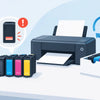
Low-ink warnings are useful prompts to have a replacement ready, but they do not always mean the cartridge is empty. In many cases, you can continue printing for a while, particularly with text documents. Keep an eye on quality and replace the cartridge when output becomes faint, streaky or incomplete.
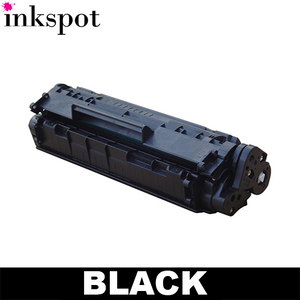
Avoid shaking ink cartridges aggressively. It is unlikely to create extra ink and can cause leaks or poor results. Toner cartridges are different: a gentle side-to-side rock can sometimes redistribute toner when prints start to look faint, giving you time to finish a small job before replacement.
Plan printing habits for home and work
Small changes are easier to maintain when they become the default. At home, set your usual print preference to draft or greyscale, then switch to high quality only for photos or important documents. At work, agree on simple rules for internal printing, such as black-and-white drafts, double-sided printing where suitable, and print preview before large jobs.
Duplex printing does not save ink directly, but it reduces paper use and storage clutter. It is a worthwhile companion habit, especially for longer documents. Just make sure double-sided pages will still be practical for notes, scanning or presentation packs.
Keep one spare cartridge on hand if printing is essential to your household or business. Running out often leads to rushed purchases and less time to compare capacity, cartridge type and price. Ordering ahead gives you the freedom to choose the option that best suits your printer and budget.
Saving ink is not about making every page faint or avoiding colour altogether. It is about using the right amount of ink for the job in front of you. A few thoughtful settings, sensible document design and the right replacement cartridge can keep printing clear, dependable and far less costly.