 Ink Brands
 How to Choose Printer Ink Without Overspending
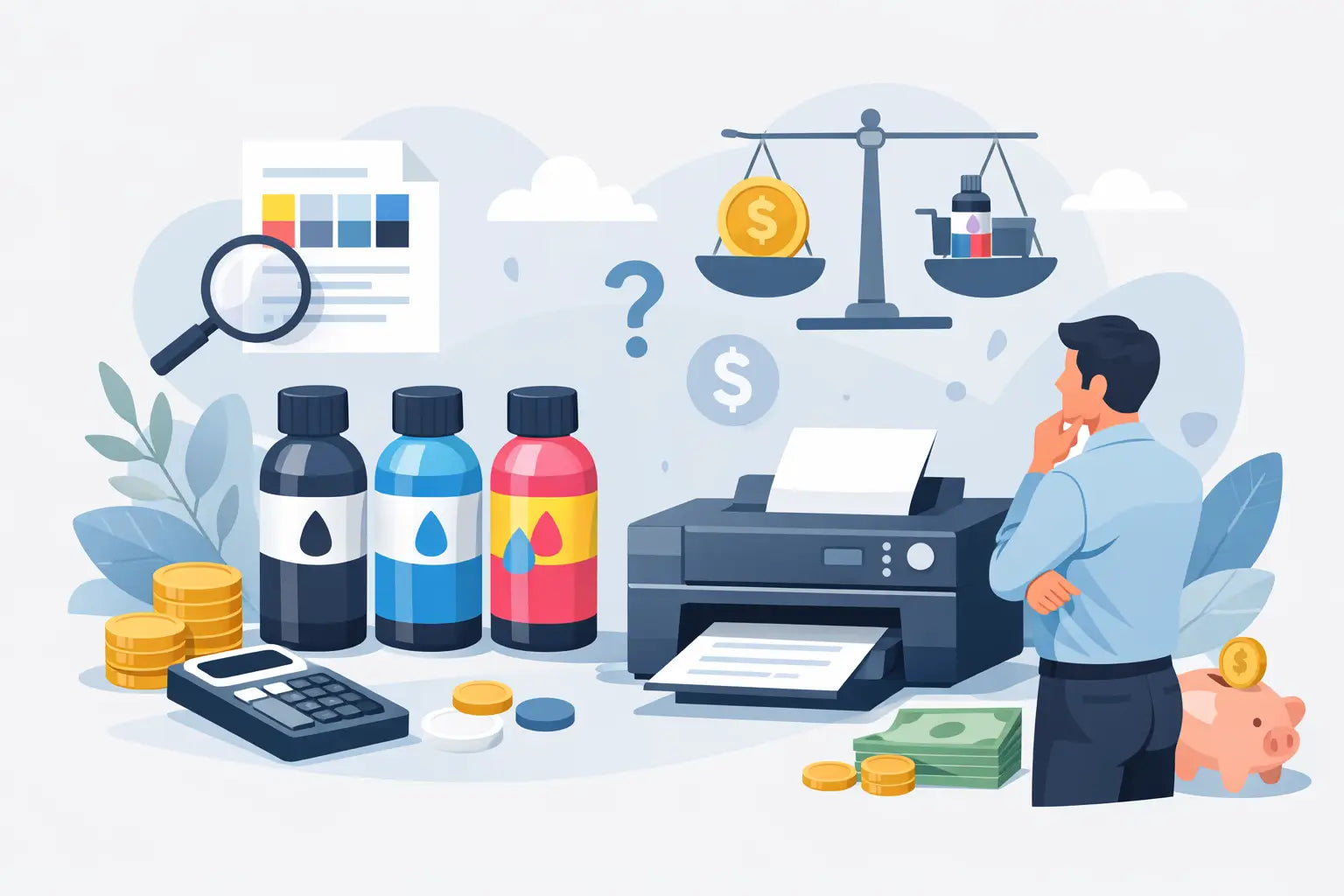
You usually realise you need ink at the worst possible moment - right before an assignment is due, just as invoices need printing, or when the office printer flashes a low-ink warning and stops everyone in their tracks. If you have ever stared at a cartridge code and wondered whether you are buying the right one, you are not alone. Knowing how to choose printer ink comes down to three things: matching your printer model, understanding how you print, and deciding what matters most - upfront cost, page yield, or brand-original performance.
How to choose printer ink for your printer
The first step is also the one that saves the most grief later. Printer ink is not interchangeable across brands, and it is often not interchangeable across models within the same brand either. Two Canon printers that look nearly identical can use completely different cartridges.
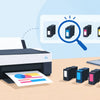
That is why the safest starting point is always your exact printer model. You will usually find it on the front of the printer, near the control panel, or on a label inside the machine. Once you have that model number, you can match it to the correct cartridge series.
This matters because cartridge names can be confusing. Some shoppers search by brand alone, then end up choosing a cartridge that fits a different machine. Others go by what the old cartridge looks like, which is risky if the printer uses a slightly updated version. If you want to avoid ordering the wrong item, always lead with the printer model rather than guesswork.
If you still have the old cartridge, check the code printed on the label. That code is often the fastest way to confirm what you need. Just make sure you are replacing like for like, especially if the printer can take both standard and high-yield versions.
Think about how you actually print
A lot of advice about ink buying assumes everyone prints the same way. They do not. A student printing occasional notes has different needs from a home office sending out contracts every day, and both are different again from a business printing colour brochures.
If you print only now and then, buying the cheapest cartridge on the shelf is not always the best call, but neither is paying top dollar for the highest-capacity option. Infrequent printers are often better off focusing on compatibility and reliability rather than bulk volume. If a cartridge lasts you months, extra yield may not give you much real value.
If you print regularly, page yield starts to matter a lot more. A cartridge with a higher upfront price can work out cheaper per page if it lasts significantly longer. That is often the smarter choice for offices, remote workers and households where the printer gets a proper workout.
Then there is the type of printing. If most of your jobs are black text documents, sharp black output and low running costs should lead the decision. If you print photos, marketing material or anything colour-sensitive, then colour accuracy and consistency become more important.
Genuine vs compatible ink
This is where many buyers pause, mostly because printer brands have trained people to think there is only one safe option. In reality, there are two main choices: genuine OEM cartridges made by the printer manufacturer, and compatible cartridges made by a third party to suit that printer.
Genuine cartridges are the brand-original option. They are designed specifically for the printer, and many people choose them for peace of mind, particularly if the printer is new, under warranty, or used for colour-critical work. They can deliver very consistent results, but they are usually the most expensive option by a fair margin.
Compatible cartridges are the budget-conscious alternative. A good compatible can offer solid print quality and reliable performance at a much lower cost, which is why they appeal to homes and businesses trying to keep printing spend under control. The trade-off is that quality can vary depending on the supplier. That is why buying from a trusted specialist matters more than grabbing the cheapest listing you can find.
For most everyday printing, compatible ink makes sense. For specialist photo printing, high-stakes presentation material, or users who simply prefer to stay with original supplies, genuine may still be the better fit. It depends on your priorities, not just the label on the box.
When genuine ink is worth it
Genuine ink tends to suit people who want the manufacturer’s specified output and do not mind paying more for it. It can be a sensible choice if you rely on exact colour matching, if your workplace has procurement rules around OEM supplies, or if you have had poor experiences with low-quality third-party cartridges in the past.
When compatible ink makes sense
Compatible ink is often the practical choice when your main goal is reducing printing costs without sacrificing day-to-day performance. For general office documents, schoolwork, forms and routine colour printing, it can offer strong value. The key is choosing a reputable supplier that clearly lists compatibility and backs the product with support.
Standard vs high-yield cartridges
One of the easiest ways to overspend is to ignore cartridge capacity. Many printers accept both standard and high-yield cartridges, and the difference is simple: high-yield cartridges contain more ink and usually cost less per page.
That does not mean high-yield is always the right answer. If you print often, it usually is. You will replace cartridges less often, which saves time as well as money. In a busy home office or small business, that convenience adds up quickly.
If you print only occasionally, the maths is less straightforward. Paying more upfront for extra capacity may not be necessary if your printing volume is low. The better buy depends on whether you value lower cost per page or lower cost at checkout.
Don’t ignore page yield
Page yield tells you roughly how many pages a cartridge is expected to print under standard test conditions. It is not a guarantee, because real-world printing varies, but it is still useful for comparing value.
A cartridge that costs less can still be more expensive over time if the yield is much lower. This is especially true with printers that seem cheap to run until you realise the cartridges need replacing constantly. Looking at yield helps you compare apples with apples.
For business buyers, page yield should be near the top of the list. If a team prints daily, even a small difference in cost per page can make a noticeable dent in the monthly budget.
Watch for printer-specific quirks
Some printers use separate cartridges for each colour, while others use a tri-colour cartridge. Separate colours can be more economical because you replace only the colour that runs out. Tri-colour cartridges are simpler, but if one colour empties first, you may replace the whole unit while there is still usable ink left in the others.
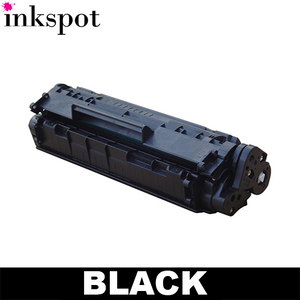
It is also worth checking whether your printer uses ink or toner. It sounds obvious, but it still catches people out. Ink is for inkjet printers. Toner is for laser printers. If you order the wrong type, it will not matter how good the price was.
Some machines are also fussier than others about cartridge recognition. Again, this does not mean you must buy genuine every time, but it does mean compatibility needs to be clearly stated and backed by proper customer support.
Buy from a supplier that makes it easy to get right
Even if you know how to choose printer ink, the buying experience still matters. Clear compatibility information, printer-model search tools, straightforward product descriptions and accessible support can save you from expensive mistakes.
This is especially helpful if you are buying for a school printer at home one day and a Brother or HP office machine the next. A good retailer removes the guesswork and gives you a clear choice between genuine and compatible options, rather than forcing one path.
That support matters just as much after purchase. Fast delivery, sensible returns and a money-back guarantee all make a difference when the wrong cartridge can bring printing to a halt. For Australian households and businesses, buying from a local specialist like Inkspot can be a far more dependable option than rolling the dice on a generic marketplace listing.
A simple way to decide
If you want to make the choice quickly, start with your printer model, then ask yourself three practical questions. Do you print often enough to benefit from high-yield cartridges? Are you happy to pay more for genuine ink, or is a quality compatible the better value? And are you printing basic documents, or work where colour accuracy really matters?
Once you answer those, the right cartridge is usually much easier to spot. Good ink buying is not about memorising cartridge codes or paying the highest price. It is about choosing the option that suits your printer, your print habits and your budget - so the next time that low-ink warning appears, it is a quick fix rather than a headache.