
 Ink Brands
 How to Avoid Wrong Cartridges Every Time
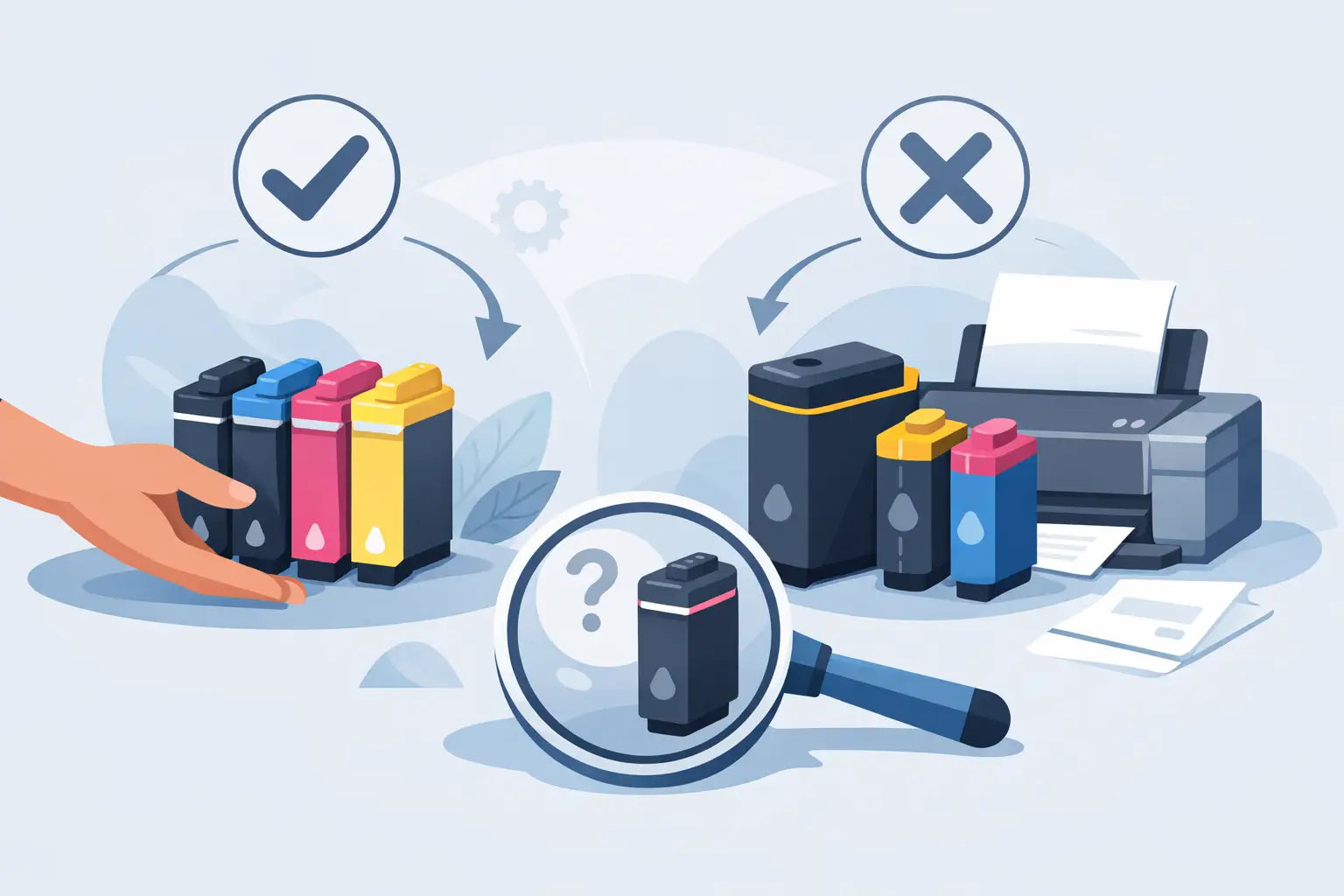
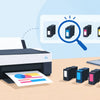
A cartridge that looks right can still be completely wrong for your printer. The box may carry the same brand name, use similar packaging and even have a familiar-looking code. Knowing how to avoid wrong cartridges comes down to checking a few details before you place an order, rather than relying on a photo or a printer series name.
For home users, that can mean avoiding the hassle of a return when schoolwork or documents need printing. For busy offices, it can prevent downtime, unnecessary spend and a cupboard full of supplies nobody can use. Here is a practical way to buy with confidence.
Start with the full printer model
The printer brand is not enough. Neither is the printer family.
A Brother printer, for example, may use very different cartridges from another Brother machine released in the same year. The same applies to HP, Canon, Epson and most other brands. Manufacturers often release several models with nearly identical names, but each can use a different cartridge range.
Find the exact model number on the front of the printer, near the control panel, or on a label at the back or underneath the unit. It may look like `HP ENVY 6430e`, `Canon PIXMA TS5360a` or `Brother MFC-J4540DW`. Write it down exactly, including letters and numbers at the end.
Those final characters matter. A model ending in “e”, “a” or “DW” may have different features from a closely named model, and occasionally a different cartridge requirement. If you are ordering for an office, check the physical printer rather than relying on an old purchasing spreadsheet. Printers are often replaced without the consumables list being updated.
Use the cartridge number as a second check
Once you have the printer model, look for the cartridge code currently installed in the printer. This is usually printed on the cartridge label or its packaging. Common examples include numbers such as HP 67, Canon PG-645, Epson 212 or Brother LC3319XL.
The cartridge number is one of the most reliable ways to confirm compatibility, especially when you are reordering. It is also useful when several people purchase supplies for the same workplace. Keeping a note of the code alongside the printer model removes guesswork next time.
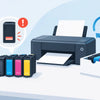
Do not assume a cartridge will fit because its number is similar to the one you need. A single added letter, a different digit or an “XL” marking can indicate a different product. Some cartridge families also contain separate black, cyan, magenta and yellow units, while others use a combined tri-colour cartridge. They are not interchangeable.
Check the printer, not only the empty box
An empty box is helpful, but it should not be your only source of information. Packaging can be left over from an older printer, mixed up in a storage cupboard or bought for a different machine. Checking the printer model and cartridge label together gives you a far safer match.
If the cartridge is still fitted, remove it only when the printer instructions say it is safe to do so. For many inkjet printers, opening the access door moves the cartridge carriage into position. Read the label, then return the cartridge carefully so it does not dry out.
Make sure you are buying the right cartridge type
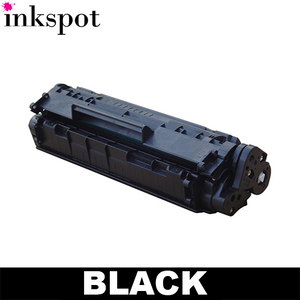
Ink and toner are not the same thing. Ink cartridges are used in inkjet printers, while toner cartridges are used in laser printers. A laser printer is often the better choice for high-volume black-and-white office printing, while an inkjet may suit colour documents, photos and occasional home use.
This sounds obvious, but it is easy to search for a brand and product number, then add the wrong consumable type to the cart. Toner cartridges are generally larger and are often described by page yield. Ink cartridges may be sold individually or as colour multipacks.
You should also check whether your printer uses additional consumables. Some laser printers need a separate drum unit, waste toner box or maintenance kit. Certain inkjet printers use a replaceable maintenance box. These parts are different from the toner or ink cartridge itself, so they need to be ordered by their own codes.
Know what XL, high-yield and multipacks mean
“XL”, “high-yield” and similar labels normally refer to how much ink or toner a cartridge contains, not its physical compatibility. If an XL cartridge is listed for your exact printer model, it should fit and work in the same way as the standard-yield version.
The trade-off is upfront cost versus cost per page. Standard cartridges can make sense for light or occasional printing, particularly if you do not print often enough to use a larger cartridge within a reasonable period. High-yield cartridges generally offer better value for regular printing and busy workplaces because they produce more pages before needing replacement.
Multipacks can also save money when your printer uses separate colours and you use colour printing regularly. However, do not buy a multipack just because it appears cheaper. If your printing is mostly black text, you may get better value by purchasing black cartridges more often and replacing colours only when needed.
Check Australian cartridge compatibility
Printer cartridges can be region-specific. A product code sold in the United States, Europe or another market may not work in an Australian printer, even if the printer name looks identical. This can occur because manufacturers use different cartridge coding and chip systems for different regions.
That is why it is worth buying from an Australian supplier that lists compatibility against Australian printer models. Be cautious with overseas listings, old online advice and marketplace products that do not clearly state their regional suitability. A bargain is not a bargain if the printer rejects the cartridge.
If you have moved from overseas or bought your printer while travelling, take extra care. Check the cartridge code fitted to the printer and ask for help before ordering. The printer model alone may not provide the full answer in this situation.
Choose genuine or compatible with the right expectations
A genuine cartridge is made by the printer manufacturer. A compatible cartridge is made by another manufacturer to work with selected printer models. Both options need to match your printer exactly.
For many households and small businesses, compatible cartridges are a practical way to reduce ongoing printing costs. The key is buying a quality compatible product from a supplier that clearly states the supported printer models and stands behind the purchase. Genuine cartridges may be preferred for specific manufacturer requirements, specialised print work or where a business has an established procurement policy.
The decision is about your printing needs, budget and confidence in the supplier, not simply whether one option is labelled cheaper. Whatever you choose, never substitute a cartridge from a similar-looking printer range unless it is explicitly listed as compatible.
How to avoid wrong cartridges when ordering online
Online shopping is convenient, but it rewards careful checking. Use a printer-model-based search tool where available, then compare the suggested product with your printer model and existing cartridge code. At Inkspot, the printer finder is designed to narrow the catalogue to products that suit your machine, making this step quicker.
Before checkout, review the product title and compatibility details one more time. Confirm whether you are buying black, colour, a full set, standard yield or high yield. This is particularly useful for offices ordering several cartridges at once, where one incorrect line item can be overlooked.
Avoid choosing solely from a product image. Manufacturers may use similar designs across several cartridge families, and retailers may show a representative image for a multipack. The written cartridge code and listed printer compatibility are the details that count.
Keep a simple cartridge record
A small record saves time every time you reorder. For a home printer, a note in your mobile may be enough. For a workplace, keep the printer model, cartridge codes, usual order quantity and printer location in one shared document.
Include whether the printer uses standard or high-yield cartridges, as well as any separate drum or maintenance items. This reduces last-minute ordering errors and helps prevent staff from opening a new cartridge only to discover it belongs to another machine.
It is also sensible to label unopened stock with the printer model it belongs to. If your office has two similar printers, this simple step can stop cartridges being put in the wrong drawer or fitted to the wrong device.
When in doubt, pause before ordering. A clear photo of the printer model label and the cartridge code can resolve most compatibility questions quickly. A few minutes of checking is far easier than dealing with a cartridge that will not fit, and it keeps your printer ready when you need it most.