
 Ink Brands
 Compatible vs Genuine Toner Cartridges
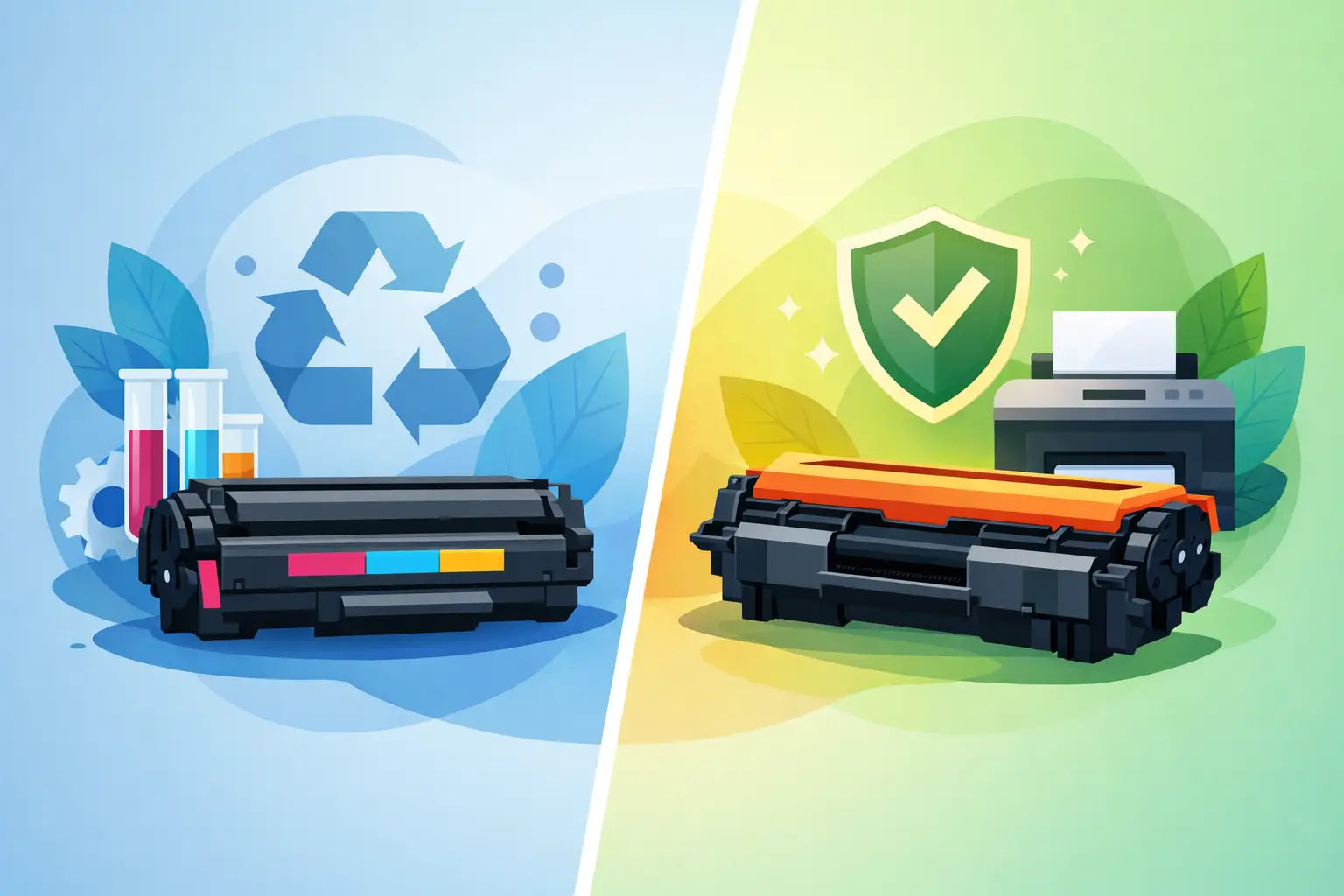
A toner cartridge can look like a simple replacement part until the price gap hits you. When you compare compatible vs genuine toner cartridges, the real question is not just which one is cheaper - it is which one makes better sense for the way you print.
For some buyers, genuine toner is the safe, set-and-forget option. For others, compatible toner offers meaningful savings without causing problems. The best choice depends on your printer, how often you print, what you print, and how much risk you are comfortable with.
Compatible vs genuine toner cartridges: what is the difference?
Genuine toner cartridges are made by the same manufacturer as your printer. If you own an HP printer, for example, genuine cartridges are made by HP. These are often called OEM cartridges, which stands for original equipment manufacturer.
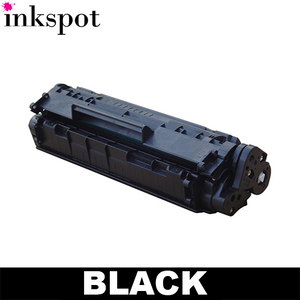
Compatible toner cartridges are made by a third-party manufacturer to work with specific printer models. They are not produced by the original printer brand, but they are designed to fit and function in that machine. A well-made compatible cartridge is built to match the required size, chip recognition and page output as closely as possible.
This distinction matters because you are not only paying for toner powder. You are also paying for the cartridge housing, internal components, chip technology, testing, brand mark-up and the level of quality control behind it.
Why genuine toner costs more
If you have ever looked at the price of an original toner cartridge and thought it was a bit steep, you are not alone. Printer manufacturers often sell printers competitively, then recover profit through ongoing cartridge sales.
Genuine toner typically costs more because the manufacturer has developed and tested it specifically for its own machines. That includes research, engineering, firmware integration and brand-backed warranty support. In many cases, you are paying for consistency and lower uncertainty rather than just the toner itself.
For businesses printing contracts, presentations or customer-facing documents every day, that predictability can be worth the premium. If a printer downtime issue costs staff time, missed deadlines or frustration at the office, a higher cartridge price may still be the cheaper option overall.
Where compatible toner makes sense
Compatible toner is popular for one obvious reason - cost. It can offer substantial savings compared with genuine cartridges, especially for households, students, small businesses and offices with regular black-and-white printing.
If your printing needs are fairly routine, such as invoices, school assignments, forms, shipping labels or internal office documents, compatible toner can be a smart buy. Many users simply want clear text, reliable page yield and a lower cost per page. They are not trying to produce premium marketing collateral.
This is where the value equation shifts. A quality compatible cartridge can reduce ongoing printing expenses without forcing you to compromise on everyday usability. For high-volume users, those savings can add up quickly over a year.
Print quality: is there a visible difference?
Sometimes yes, sometimes no. That is the honest answer.
Genuine toner usually delivers the most consistent results, particularly for sharp text, even greys, dense blacks and fine detail. If you are printing professional reports, client proposals or graphics where presentation matters, original cartridges may give you more confidence.
Compatible toner quality varies more between manufacturers. A good compatible cartridge can produce excellent everyday prints that most users would be perfectly happy with. A poor one may show lighter density, minor streaking, less precise image detail or inconsistency from one cartridge to the next.
The key point is that compatible is not automatically low quality, and genuine is not automatically necessary for every print job. The difference tends to matter more in demanding print environments than in ordinary day-to-day use.
Reliability and printer performance
This is often where buyers hesitate, and fairly so. The cartridge has to do more than fit into the printer. It needs to communicate properly with the machine, feed toner evenly and avoid issues such as leaking, error messages or premature failure.
Genuine cartridges generally have the edge on reliability because they are made for that exact printer range and tested within the manufacturer's own system. They are usually the lowest-risk choice if your priority is avoiding interruptions.
Compatible cartridges can also be reliable, but quality control is more dependent on the supplier and manufacturer behind them. Better compatibles are engineered carefully and tested properly. Lower-grade versions may cause recognition issues or inconsistent output, particularly in newer printers with stricter firmware.
That is why buying from a specialist retailer matters. It gives you a much better chance of getting a cartridge that has been selected for performance, not just for the lowest possible cost.
Page yield and cost per page
The ticket price only tells part of the story. A cheaper toner cartridge is not necessarily better value if it prints fewer pages or runs unevenly near the end of its life.
Page yield refers to the estimated number of pages a cartridge can print under standard test conditions. Genuine and compatible cartridges may list similar yields, but real-world results can vary depending on page coverage, printer settings and document type.
For regular office use, cost per page is often the better measure. If a compatible cartridge gives you dependable output at a much lower cost per page, it can be the more economical option by a long margin. If a genuine cartridge avoids reprints, service calls or downtime, that higher upfront spend may still make practical sense.
Will compatible toner void your printer warranty?
This is one of the most common concerns, and it often causes more confusion than it should. In general, using a compatible toner cartridge does not automatically void your printer warranty simply because it is not genuine.
What can happen, however, is that if a fault is directly caused by a third-party cartridge, the printer manufacturer may not cover that specific damage under warranty. That is different from saying your whole printer warranty disappears the moment you install a compatible.
For most users, the practical takeaway is simple. If your printer is brand new, heavily relied on, or expensive to replace, you may prefer the extra reassurance of genuine toner. If your machine is out of warranty or your priority is lowering running costs, compatible toner may be the better fit.
Which option suits home users and small businesses?
For home users, students and remote workers, compatible toner is often the more sensible choice. If you mainly print documents, worksheets, return labels and occasional forms, paying a premium for genuine toner may not deliver much extra value.
For small businesses, it depends on what is at stake. An office printing internal paperwork all day may save a lot by using compatible cartridges. A business printing polished client documents, tender packs or branded materials may lean towards genuine for consistency.
There is also a middle ground. Some buyers use genuine toner in their most important printer and compatible toner in secondary machines used for routine tasks. That approach keeps costs under control without treating every print job the same.
How to choose without overthinking it
If you want the simplest answer, start with the role your printer plays. If it is business-critical, heavily used, or expected to produce top-quality output every time, genuine toner is often the safer call. If your goal is reliable everyday printing at a lower cost, compatible toner deserves serious consideration.
Next, think about supplier trust. A good cartridge from a reputable retailer is very different from an unknown bargain that turns up with inconsistent quality or no support if something goes wrong. Clear compatibility information, a sensible returns policy and accessible customer service all matter.
That is also why many Australian buyers prefer to shop with a specialist rather than take a punt on a generic marketplace listing. With Inkspot, the aim is to make that choice clearer by helping customers match the right toner to the right printer, with practical support if they are unsure.
The real answer to compatible vs genuine toner cartridges
There is no one-size-fits-all winner in compatible vs genuine toner cartridges. Genuine toner offers brand-backed consistency, while compatible toner offers lower running costs and strong value when chosen carefully.
The smart decision is the one that matches how you actually print, not the one that sounds safest or cheapest on paper. If your printing needs are modest and budget matters, compatible toner can be a very sensible option. If reliability and presentation are non-negotiable, genuine toner may earn its keep. The best cartridge is the one that keeps your printer working without making every replacement feel overpriced.