
 Ink Brands
 Can Compatible Cartridges Damage Printer?
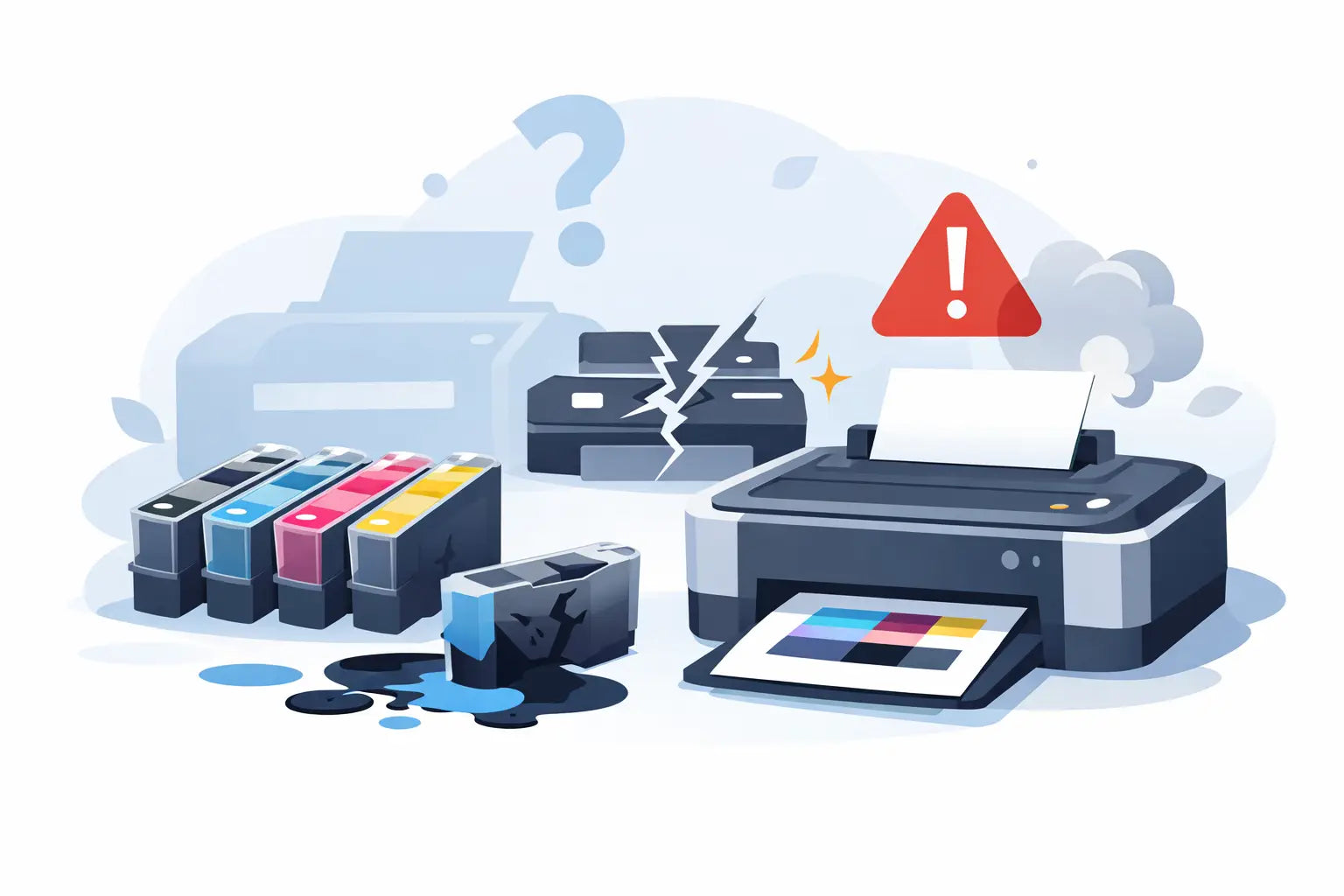
If your printer has ever flashed up a cartridge warning right when you needed to print something important, you’ve probably asked the same question plenty of Australians do: can compatible cartridges damage printer hardware, or is that just a scare campaign to keep you buying OEM? The honest answer is more balanced than most people expect. A good compatible cartridge should not damage your printer, but a poor-quality one absolutely can create problems.
That distinction matters, because not all compatible cartridges are made to the same standard. Some are well-built, properly tested and designed to work smoothly with specific printer models. Others are cheaply made, badly filled or inconsistent from batch to batch. When people say they had a bad experience with compatibles, it’s often not because the idea of a compatible cartridge is flawed. It’s because the cartridge itself was.
Can compatible cartridges damage printer components?
In normal use, a quality compatible cartridge is unlikely to harm your printer. Most modern printers are designed around fairly simple consumable replacement, and they can operate perfectly well with non-genuine cartridges that match the right specifications. For many home users and businesses, compatibles are a practical way to cut printing costs without giving up reliable output.
Where problems can happen is when the cartridge is poorly manufactured. If the plastic housing is a bad fit, it may not seat correctly inside the printer. If the chip is faulty, the printer may reject it or fail to read ink levels properly. If the ink or toner formula is substandard, you can end up with leaking, clogging, streaking or excessive residue inside the machine.
That doesn’t always mean permanent damage, but it can lead to avoidable wear, messy clean-up and downtime. In a busy office, that’s often just as frustrating as actual hardware failure.
What can go wrong with low-quality compatible cartridges?
The most common issue is poor print quality rather than physical damage. You might notice faded pages, inconsistent colour, smudging or lines across the page. Those issues are annoying, but they’re usually fixable by replacing the cartridge or running a maintenance cycle.
A bigger concern is leakage. If ink leaks inside an inkjet printer, it can contaminate contacts, stain internal parts and interfere with printhead performance. With toner cartridges, badly sealed units can release loose toner into the printer, which may affect rollers, sensors and the paper path. Again, this is usually tied to poor manufacturing rather than the fact that the cartridge is compatible.
Clogging is another possibility, particularly with inkjets that sit unused for long periods. Some third-party inks do not flow as consistently as the printer expects. If the formulation is off, dried ink can build up in the printhead. In some printers the printhead is part of the cartridge, which limits the risk. In others the printhead is built into the printer, so repeated clogging can become more costly.
Then there’s the fit issue. A cartridge that feels slightly wrong when installed should never be forced. If it doesn’t click into place properly, forcing it can damage the cartridge cradle or contact points. That’s not really the cartridge damaging the printer on its own - it’s a mismatch creating stress where there shouldn’t be any.
The real risk depends on your printer type
Not every printer faces the same level of risk from compatibles. Inkjet printers can be more sensitive, especially models with permanent printheads. If the ink quality is poor, repeated clogging or drying can cause performance issues over time. That makes cartridge quality especially important.
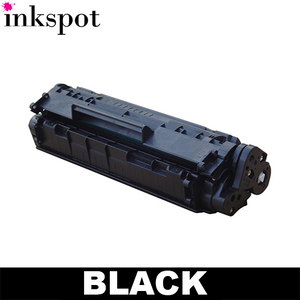
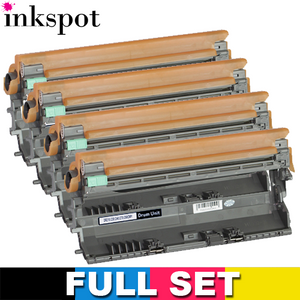
Laser printers are often a bit more forgiving, but they’re not immune. Toner cartridges contain more than just toner powder. Depending on the model, they may also involve a drum, wiper blade, developer unit or chip. If those components are poorly assembled, you can end up with ghosting, background shading or toner contamination inside the machine.
For occasional home printing, a reliable compatible cartridge may work perfectly well for years. For businesses printing high volumes every week, consistency matters even more. A small saving on a cartridge does not look so good if it leads to staff delays, reprints or service calls.
Why printer brands warn against compatibles
Printer manufacturers generally recommend using only genuine cartridges, and that’s not surprising. Cartridge sales are a major part of their business model. The printer itself is often sold at a competitive price, while the long-term profit comes from consumables.
That does not mean every warning is empty. Brands do have a point when they talk about quality control, especially with no-name cartridges from unreliable sellers. But their messaging can blur the line between a cheap, poorly made cartridge and a high-quality compatible from a reputable supplier. Those are not the same thing.
Using a compatible cartridge does not automatically void your rights under Australian Consumer Law. If a printer develops a fault unrelated to the cartridge, the manufacturer cannot simply dismiss the issue because you used a non-genuine consumable. If the cartridge itself causes the problem, that’s a different matter. The detail counts.
How to reduce the risk
If you want to save money without gambling on your printer, the safest approach is simple: buy cartridges matched to your exact printer model from a supplier that actually stands behind them. That means clear compatibility information, decent product support and a returns policy that gives you some confidence if something goes wrong.
It also helps to avoid deals that look too good to be true. Extremely cheap cartridges sold through generic marketplaces can be inconsistent, old stock or poorly stored. Ink and toner are not products where mystery sourcing tends to end well.
Before installing any cartridge, check the packaging, seals and model number. If it looks damaged, leaking or suspiciously flimsy, don’t put it in your printer. When installing it, never force the fit. If your printer runs a cleaning or alignment process after installation, let it finish properly.
For inkjets, regular use helps. A printer left idle for months is more likely to develop clogged nozzles no matter what cartridge you use. Printing a page every week or two can make a noticeable difference.
Signs a cartridge is causing trouble
If a newly installed cartridge triggers repeated errors, leaks, prints poorly straight away or makes the printer behave oddly, stop using it. Continuing to print with a faulty cartridge can make a small issue bigger.
Watch for warning signs such as wet ink inside the cartridge bay, loose toner dust, scraping sounds during printing, repeated paper contamination or sudden drops in print quality after a cartridge change. Those symptoms don’t always mean printer damage, but they do mean something isn’t right.
A good supplier should help you troubleshoot whether the issue is the cartridge, the printer, or simply a compatibility mismatch. That’s one reason many Australians prefer buying from a specialist retailer rather than taking a punt on the cheapest listing they can find.
So, are compatible cartridges worth it?
For many people, yes. Compatible cartridges can offer very good value, especially if you print regularly and want to keep running costs under control. Plenty of users get solid performance from compatibles without any damage to their printer at all.
The key is to separate compatible from low quality. They are not interchangeable terms. A well-made compatible cartridge from a trusted supplier is very different from a bargain-bin product with poor quality control. If you choose carefully, the savings can be real without creating extra headaches.
That’s why the better question is not simply can compatible cartridges damage printer performance. It’s whether the cartridge you’re buying has been made well enough to avoid the common problems. In our experience, that choice matters far more than the label on the box.
If you rely on your printer for school forms, invoices, shipping labels or everyday office work, buying smarter usually beats buying cheaper. A cartridge should save you money, not test your patience.