
 Ink Brands
 High Yield vs Standard Cartridges Explained
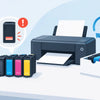
If you have ever stood over a printer warning light wondering why a cartridge seemed to run out so quickly, the question of high yield vs standard cartridges stops being technical and starts being about cost. For most home users and small businesses, the real issue is not just the shelf price. It is how often you need to replace cartridges, how much each page really costs, and whether paying more upfront actually saves money.
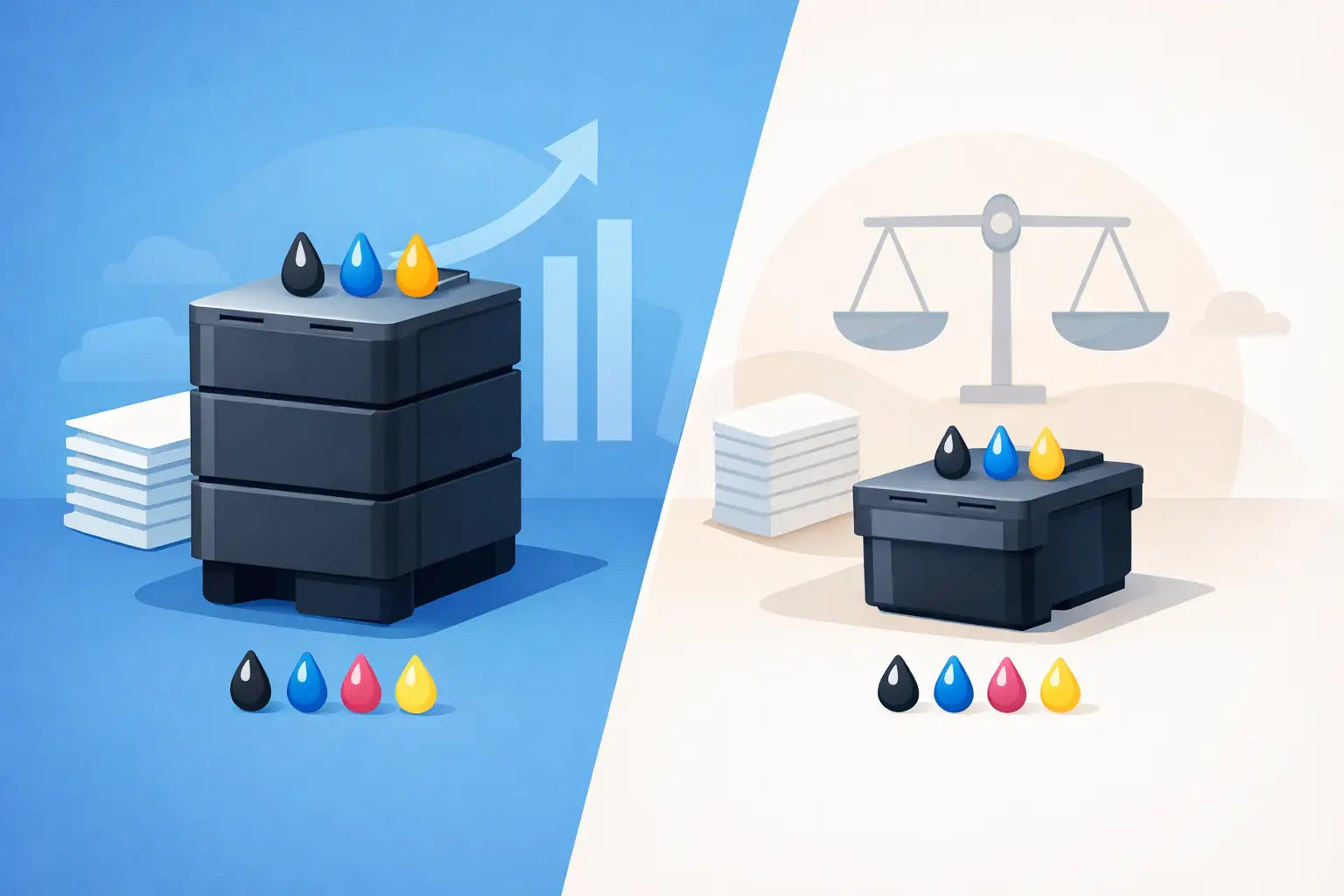
High yield vs standard cartridges: what is the difference?
The simplest answer is page yield. A standard cartridge is the regular-capacity version designed to print a lower number of pages. A high yield cartridge contains more ink or toner and is built to print more pages before it needs replacing.
That does not mean a high yield cartridge is physically larger in every case. Some are the same outer size as the standard version but packed differently inside. Others may be a larger unit. Either way, the main point is that high yield cartridges are made for heavier printing, while standard cartridges are usually aimed at lighter use or lower upfront spend.
Manufacturers estimate page yield using standardised testing, usually based on a certain amount of coverage on the page. Real-world results vary. A few black-and-white text documents will stretch a cartridge much further than reports with logos, school assignments with graphics, or full-colour marketing material.
Why the cheaper cartridge is not always the cheaper option
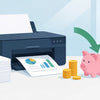
This is where plenty of people get caught. A standard cartridge usually costs less to buy, so it feels like the budget choice. But if it prints far fewer pages, the cost per page can be higher.
Say a standard cartridge costs $30 and prints 200 pages. Your cost per page is 15 cents. If a high yield version costs $45 and prints 450 pages, the cost per page drops to 10 cents. You are paying more at the checkout, but less over time.
That difference matters if you print regularly. A household with kids, a remote worker, or a small office can burn through standard cartridges faster than expected. Replacing them more often also means more interruptions, more reordering, and more chances of getting caught without a spare when you need one.
If you only print occasionally, the maths can shift. A higher upfront cost may not be worth it if your printer sits idle most of the week. That is why there is no single best answer for everyone.
When standard cartridges make sense
Standard cartridges are often the better fit for light printing. If you print boarding passes, the odd form, occasional homework pages, or a few invoices each month, a standard cartridge can be perfectly reasonable.
They can also suit people who want to keep immediate costs down. Not every purchase is about the lowest long-term cost. Sometimes cash flow matters more, especially for households managing tight budgets or businesses trying to control weekly expenses.
There is another practical point. If you print very rarely, especially with inkjet printers, buying a high yield cartridge may not deliver its full value before the printer has sat unused for long periods. Ink usage patterns, maintenance cycles, and the age of the cartridge can all affect what you get from it. In that case, a standard cartridge may be the safer buy.
When high yield cartridges are worth it
If your printer gets a regular workout, high yield cartridges are usually the smarter option. This is especially true for small offices, home businesses, teachers, students during assessment periods, and anyone printing forms, labels, shipping paperwork, or multi-page documents every week.
The savings come from more than page yield alone. You spend less time swapping cartridges, less time ordering replacements, and less money per page in many cases. For busy workplaces, that convenience has value. The printer is simply ready to go more often.
High yield cartridges can also reduce waste because you are using fewer cartridges over the same number of pages. It is not a complete environmental fix, but fewer replacements usually mean fewer consumables being handled, packed, and disposed of.
Inkjet and toner users should think a bit differently
The high yield versus standard decision applies to both ink and toner, but the way people use them is often different.
With inkjet printers, print frequency matters. If you print often, high yield cartridges can offer very good value. If you print only now and then, the benefit may be less clear. Inkjet owners should think honestly about their habits rather than buying based only on the biggest number on the box.
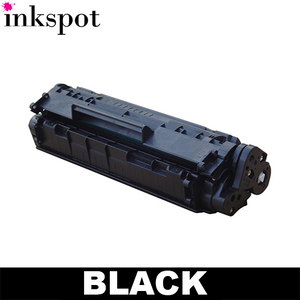
With laser printers and toner cartridges, high yield options are often very appealing because laser printers are commonly used for heavier document printing. Offices and work-from-home setups that print in volume can see strong value from higher-capacity toner cartridges, especially for black toner.
Genuine and compatible options also affect value
Another part of the equation is whether you choose genuine manufacturer cartridges or compatible alternatives. Both standard and high yield cartridges can come in either form, depending on the printer model.
Genuine cartridges are made by the printer brand itself and can appeal to buyers who want brand-original supplies. Compatible cartridges are third-party alternatives designed to work with specific printers and can offer substantial savings.
For many customers, the best buying decision is not just high yield or standard. It is also genuine or compatible. A high yield compatible cartridge may offer the lowest cost per page, while a standard genuine cartridge may suit someone who prints lightly and prefers an OEM option. The right choice depends on your budget, printer model, and comfort level.
How to decide what suits your printer habits
A quick look at your past few months of printing tells you more than any marketing label. If you are replacing cartridges often, printing longer documents, or getting annoyed by constant low-ink warnings, high yield is worth a serious look.
If your printer mainly handles occasional admin tasks, a standard cartridge may do the job without tying up more money than necessary. The key is to match cartridge capacity to actual use, not the version that sounds more impressive.
It also helps to check whether your printer has separate colour cartridges or a tri-colour setup. If your printer uses individual colours, you only replace what runs out. If it uses a combined colour cartridge, your replacement pattern can be less efficient, which may change the value equation between standard and high yield.
Common misconceptions about high yield cartridges
One common misunderstanding is that high yield cartridges always print at better quality. In normal use, print quality should be comparable when you are buying the correct cartridge for your printer. High yield refers to capacity, not a special upgrade in output.
Another myth is that standard cartridges are a rip-off. They are not. They simply serve a different kind of user. If your print volume is low, they can be the more sensible and cost-effective option overall.
Some people also assume every printer model offers both choices. That is not always the case. Certain printers may only support standard cartridges, while others have XL, XXL, or other high-capacity versions available.
The smarter question is cost per page
If you remember one thing from the high yield vs standard cartridges debate, make it this: do not compare cartridges by shelf price alone. Compare them by value over time.
Cost per page gives you a much clearer picture of what you are really spending. So does your replacement frequency. A cartridge that seems cheap but runs out quickly can become expensive in a hurry. A cartridge that costs more but lasts much longer may be the better everyday buy.
For Australian households and businesses trying to keep printing costs under control, that small shift in thinking can make ordering much easier. Instead of guessing, you are buying for the way you actually print.
If you are still unsure, start with your print volume. Light use usually points to standard. Regular or heavy use often points to high yield. Once that part is clear, choosing the right cartridge becomes far less of a headache, and that is usually when you start spending less without sacrificing convenience.