 Ink Brands
 XL Cartridge Review: Are They Worth It?
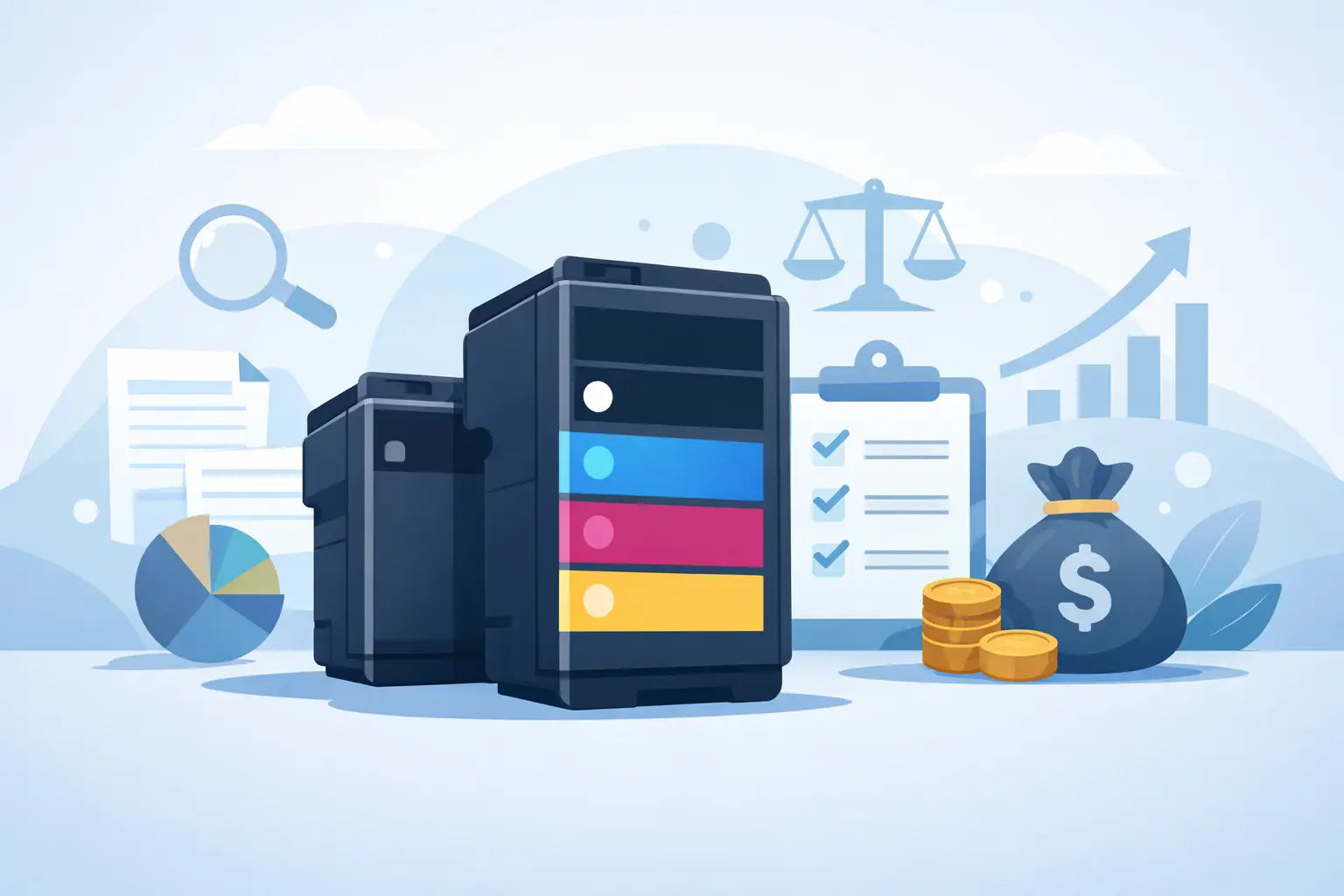
An XL cartridge can look like the obvious choice: more ink, fewer replacements and less chance of your printer stopping halfway through an assignment or invoice run. But a useful XL cartridge review needs to look beyond the larger label. The better buy depends on how much you print, the upfront price, your printer model and whether you choose genuine or compatible cartridges.
For many Australian households and small offices, high-yield cartridges do offer better value. They are not automatically right for everyone, though. If your printer sits unused for long stretches, a standard cartridge may be the more sensible purchase.
What does XL mean on a printer cartridge?
XL usually means high yield. It is a cartridge made for the same printer range as its standard-yield equivalent, but it contains more ink or toner and is designed to print more pages before replacement.
The exact meaning varies by manufacturer. An HP XL ink cartridge, for example, may have a different page yield increase from a Canon, Epson or Brother high-yield cartridge. You should never assume that every XL cartridge prints double the pages of a standard one. Check the listed page yield for the specific cartridge code and printer model.
In most cases, an XL ink cartridge uses the same cartridge slot and works in the same printer as the standard version. You are not buying a larger physical cartridge or upgrading the printer. You are simply buying more printing capacity in one unit.
XL cartridge review: the value comes from cost per page
The main reason to consider XL cartridges is cost per page. While an XL cartridge costs more at checkout, the increase in price is often smaller than the increase in page yield. That can make every printed page cheaper over the life of the cartridge.
For a home office printing forms, schoolwork, shipping labels and occasional colour documents, the savings can build steadily. For a small business that prints invoices, reports or customer paperwork every week, fewer cartridge changes also save time and reduce the chance of running out at an inconvenient moment.
A simple comparison makes the decision clearer. Divide the cartridge price by its quoted page yield. If a standard black cartridge costs $30 and is rated for 300 pages, its estimated cost is 10 cents per page. If the XL version costs $45 and is rated for 750 pages, it works out to about 6 cents per page. The XL costs $15 more upfront but provides much better value if you will use the ink.
Quoted yields are a guide, not a guarantee. They are generally based on standardised test pages with modest coverage. A page containing a small block of text uses very little ink compared with a full-colour flyer, a photo or a heavily branded presentation. Your real-world yield will reflect what you print.
Print quality: does XL ink perform differently?
A genuine XL cartridge should deliver the same print quality as the genuine standard cartridge for the same printer. The formulation is intended for that model, so text sharpness, colour balance and drying performance should remain consistent.
The same principle applies to well-made compatible XL cartridges. A compatible cartridge is an aftermarket alternative designed to fit and function with nominated printer models. Quality can vary between suppliers, which is why it pays to buy from a specialist that clearly identifies printer compatibility and stands behind the product.
For everyday documents, compatible high-yield cartridges can be a practical way to lower ongoing printing costs. They are especially appealing when your printer is used for draft documents, admin, worksheets and internal office printing. If you produce colour-critical work, archival photographs or branded material where matching a particular manufacturer profile matters, genuine cartridges may be worth the higher price.
This is less about one option being universally better and more about choosing for the job. A busy office can benefit from compatible XL black cartridges for routine paperwork while keeping genuine colour cartridges for a specific presentation printer. Many customers simply choose one approach for all cartridges and prioritise either manufacturer-original supplies or lower running costs.
When an XL cartridge is the better choice
XL cartridges make the most sense when you print regularly enough to use them before the ink has spent too long sitting in the printer. They are particularly useful for remote workers, students with frequent assessment printing, families with school-age children and businesses that rely on paper records.
They can also reduce the frustration of replacing cartridges. Fewer changeovers mean fewer interruptions, fewer orders to remember and fewer empty cartridges to store for recycling. If your printer uses separate colour cartridges, replacing only the colour that has run out can make high-yield options even more economical.
An XL cartridge is also a smart choice when shipping and timing matter. Keeping a higher-yield spare on hand helps avoid the last-minute rush when the printer reports low ink before an important deadline. For eligible orders, Inkspot offers free shipping over $50 and fast delivery across Australia, making it easier to plan ahead rather than pay more at a local shop out of necessity.
When standard cartridges may be smarter
More ink is not always better value. If you only print a few pages every couple of months, a standard cartridge may be the safer option. Inkjet printers can suffer from drying or clogged printheads when left unused for long periods, and buying an XL cartridge does not remove that risk.
A standard cartridge can also be the better fit if the upfront price is your main concern or you are unsure how often you will use a new printer. It gives you a lower-cost way to test your printing habits before committing to high-yield replacements.
Be particularly careful with cartridges bought purely because they are on special. The right cartridge is the one that fits your printer and suits your expected print volume. A bargain cartridge that is incompatible, or one that remains unused for years, is not a bargain at all.
How to choose the right XL cartridge
Start with your printer model, not the cartridge image or brand name. Printer families can look similar while taking completely different cartridges. Find the exact model number on the front or top of the printer, in its settings menu or on a label at the back, then match it to the cartridge compatibility information.
Next, compare standard and XL yields for each colour you need. Black cartridges are usually the first place high yield pays off because most homes and offices print more black text than colour. However, frequent colour printing can also justify XL cyan, magenta and yellow cartridges.
Then decide between genuine and compatible options based on your priorities. Genuine cartridges offer the manufacturer’s original product. Compatible cartridges can provide substantial savings for routine printing when purchased from a reliable supplier. Either way, check the stated page yield, the guarantee offered and whether the product is clearly listed for your printer.
Finally, consider your printing pattern. A printer used every day is a strong candidate for XL cartridges. A printer used only for occasional boarding passes, forms or tickets may be better served by standard cartridges and a short printhead maintenance cycle from time to time.
A practical verdict on XL cartridges
For regular printing, XL cartridges are usually worth the extra upfront spend. Their lower estimated cost per page, longer replacement intervals and greater convenience make them a sensible choice for active homes and small businesses.
The exception is occasional printing. If your inkjet printer is idle for months, focus first on using it regularly enough to keep the printheads healthy, then buy a cartridge size you are likely to finish. Choose by printer model and realistic page volume, and the right cartridge will feel less like a costly interruption and more like a straightforward part of keeping work moving.