
 Ink Brands
 Toner Cartridge Guide for Smarter Buying

Running out of toner usually happens at the worst possible moment - right before invoices need printing, school notes need signing, or a report has to be on someone’s desk that afternoon. A good toner cartridge guide takes the guesswork out of replacing cartridges, so you can buy the right product the first time, keep print quality consistent, and avoid paying more than you need to.
Toner can feel more complicated than it should be because the packaging is full of model numbers, printer brands, page yields and terms like genuine, compatible and drum unit. The good news is that once you know what actually matters, buying toner becomes much more straightforward.
What toner cartridges actually do
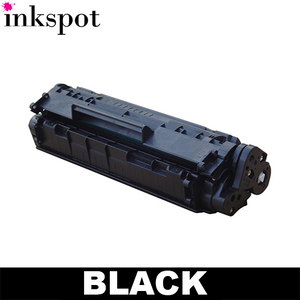
Unlike ink, toner is a fine powder used in laser printers. The printer applies that powder to the page using heat and static electricity, which is why laser printing is usually better suited to fast, sharp document printing. If you print regularly for work, school or business, toner often works out to be cleaner, quicker and more economical over time.
That does not mean every toner cartridge is the same. Different printers use different cartridge designs, and some machines split the toner cartridge and drum into separate parts while others combine them. This is where many buying mistakes happen. People assume any cartridge from the same brand will fit, when printer consumables are usually model-specific.
The first step in any toner cartridge guide: check your printer model
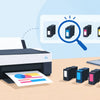
If there is one habit that saves the most time and money, it is checking the exact printer model before you order. Not just the brand - the full model number. An HP LaserJet and another HP LaserJet from the same range can use completely different toner cartridges.
You will usually find the model on the front of the printer, on a label near the scanner lid, or on a sticker at the back or underneath the machine. It may include letters and numbers, and those details matter. A single extra letter can indicate a different cartridge family.
If you still have an old cartridge at home, use that code as a reference as well. Matching the printer model and the cartridge number gives you a much safer starting point than relying on memory.
Genuine vs compatible toner cartridges
This is one of the most common questions for home users and businesses alike, and the right answer depends on your priorities.
Genuine toner cartridges are made by the original printer manufacturer. They are designed specifically for that printer brand and are often the default choice for buyers who want brand-original supplies. Many customers like the reassurance of using the manufacturer’s own product, especially for newer printers or important business documents.
Compatible toner cartridges are aftermarket alternatives made to work with specific printer models. The main advantage is cost. For many households, schools and small businesses, compatible toner can offer significant savings across the year, especially if printing volumes are high.
The trade-off is that quality can vary depending on the supplier. A well-made compatible cartridge can deliver excellent results, but a poor-quality one may cause fading, streaking or fit issues. That is why the supplier matters just as much as the cartridge type. Buying from a specialist retailer with clear compatibility information and support is very different from taking a chance on an unknown listing.
For many Australian buyers, the practical question is not which option is universally better. It is whether the saving on compatible toner makes sense for the type of printing they do. If you print mostly text documents, labels, forms or internal paperwork, compatible toner is often a smart way to reduce running costs. If you are printing highly polished client-facing material and prefer to stick with manufacturer-original consumables, genuine may suit you better.
Understanding page yield without overthinking it
Page yield tells you the estimated number of pages a toner cartridge can print under standard test conditions. It is useful, but it is not a promise that every customer will get exactly that number.
If your pages are mostly plain black text, your cartridge may last close to the stated yield. If you print bold headings, graphics, dark coverage or frequent reports with shaded areas, you may use toner faster. That is normal.
High-yield cartridges can be a better buy if you print often. They usually cost more upfront, but the cost per page is often lower. For a home office or small business, that can make a real difference over time. On the other hand, if you print only occasionally, a standard-yield cartridge may be more sensible because you are not tying up extra money in consumables you will use slowly.
Why your printer might need more than just toner
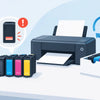
One of the easiest mistakes to make is ordering a toner cartridge when the printer actually needs a drum unit, waste toner bottle or another consumable part. Some laser printers use an all-in-one cartridge, while others separate the toner and drum.
If your printer displays a message about replacing the drum, simply installing new toner may not solve the problem. The pages may still look faded, marked or patchy. That is why it helps to read the printer message carefully instead of assuming every alert means the same thing.
For office printers in particular, keeping an eye on all related consumables can prevent downtime. A toner cartridge guide should not just help you buy a replacement. It should help you buy the right replacement.
Common toner problems and what they usually mean
Poor print quality does not always mean the cartridge is faulty, but it is often the first place to check. Faded print can mean the toner is running low, although print density settings can also affect the result. Streaks or marks may point to a worn drum, toner leakage or paper dust inside the printer.
If a new cartridge is not recognised, there are a few possible causes. The protective seal may not have been removed, the cartridge may not be seated correctly, or it may simply be the wrong model. In some cases, a printer firmware update can affect compatibility with certain cartridges, which is another reason to buy from a retailer that understands the products it sells.
There is also a practical point that often gets overlooked: laser printers generally prefer being used regularly. Long periods of inactivity are usually less of an issue than with inkjet printers, but dust, heat and storage conditions can still affect cartridge performance. Keeping spare toner in a cool, dry place is a simple way to protect it.
How to choose the right toner cartridge for your needs
The best purchase is not always the cheapest cartridge on the page. It is the cartridge that suits your printer, your print volume and your budget.
If you print at home a few times a week, you might prioritise simplicity and a lower upfront cost. If you manage office supplies, your focus may be on reliable stock, lower cost per page and fewer emergency reorders. If you print customer documents, invoices or school material every day, speed and consistency may matter more than anything else.
That is why shopping by printer model is usually the smartest approach. It narrows the options quickly and reduces the risk of ordering the wrong item. A retailer with a broad range across major brands such as HP, Brother, Canon, Epson, Lexmark, Samsung and Fuji Xerox can also make it easier to compare genuine and compatible options side by side instead of starting your search from scratch each time.
A practical toner cartridge guide for saving money
If your goal is to spend less without creating headaches, there are a few sensible ways to do it. First, compare standard and high-yield cartridges based on your real print habits, not just the shelf price. Second, consider compatible toner if you print regularly and want better value. Third, avoid panic buying the night before you run out. Keeping a spare on hand can prevent rushed decisions and expensive last-minute purchases.
It also helps to buy from a specialist rather than a random marketplace seller. Clear cartridge matching, responsive support and a straightforward returns process all have real value when you are trying to keep a printer working without wasting time. That is a big part of why many Australians choose established suppliers like Inkspot for repeat toner purchases.
When it is worth asking for help
Even confident buyers sometimes hit a point where the cartridge code, printer message and product page do not quite line up. That is normal. Printer consumables are not always labelled in the most user-friendly way.
If you are unsure, ask before ordering. A quick check based on your printer model can save you from returns, delays and the frustration of opening a cartridge that does not fit. For households and businesses alike, the easiest printing setup is the one that keeps working without drama.
The best toner choice is usually the one that makes your printing simpler, not more complicated. If you can match the right cartridge to the right printer at a fair price, you are already ahead of most buyers.