
 Ink Brands
 Compatible Toner Cartridge Review - Worth It?

A replacement toner message can feel like an expensive interruption, particularly when the printer still has plenty of life left. This compatible toner cartridge review looks at the question most Australian home and office users ask: can a lower-cost cartridge produce dependable results without creating more hassle than it saves?
For many printers, the answer is yes - provided you buy the correct cartridge from a reputable supplier and match it to the way you print. Compatible toner is not automatically the right choice for every job, but it can make a meaningful difference to ongoing printing costs.
What is a compatible toner cartridge?
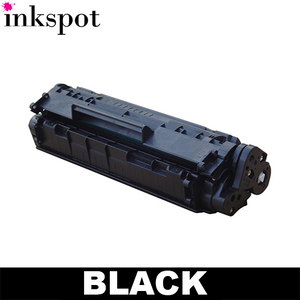
A compatible toner cartridge is a new cartridge made by a third-party manufacturer rather than the printer brand. It is designed to fit and operate in a specific range of printers, using toner powder and components that meet the relevant cartridge specifications.
It is different from a remanufactured cartridge. Remanufactured cartridges are previously used OEM cartridges that have been cleaned, refilled and fitted with replacement parts where needed. Compatible cartridges are generally built as new aftermarket products.
Neither option should be confused with a random, unbranded cartridge with little product information. Quality varies across the aftermarket market, which is why the retailer and the product’s stated printer compatibility matter just as much as the price.
Compatible toner cartridge review: the practical verdict
Compatible toner cartridges are usually worth considering for everyday black-and-white printing. Think invoices, school handouts, shipping labels, forms, internal reports and drafts. A well-made compatible can deliver clear text, solid blacks and page yields comparable to the standard cartridge it replaces, at a considerably lower purchase price.
The savings can be particularly useful for small businesses with several staff printing routine documents. Toner is a recurring operating cost, and paying less per replacement can add up across a year without requiring a change to your printer fleet or work habits.
There are trade-offs. Genuine cartridges remain the conservative choice for specialist work where exact colour reproduction, finely controlled gradients or brand-specific print standards are non-negotiable. They may also suit workplaces that have a managed print agreement requiring OEM supplies. For most standard document printing, however, a quality compatible is a sensible value option rather than a compromise made blindly.
Print quality for everyday use
For text documents, the difference between a good compatible toner and a genuine cartridge is often difficult to spot. Letters should be sharp, small type should remain readable and large areas of black should look even.
Colour output deserves a more careful assessment. Compatible colour toner can be excellent for presentations, charts, classroom material and general marketing drafts. But colour can vary slightly between cartridge batches and printer models. If you are producing client-facing materials with strict brand colours, proof a page first or use genuine cartridges for that specific job.
Print quality is also affected by the printer itself. A worn drum, dirty paper path, damp paper or a machine near the end of its service life can cause streaks, fading and marks regardless of which cartridge you install. Replacing toner will not fix every print problem.
Cost and page yield
The upfront saving is usually the main reason people choose compatible toner. Printer manufacturers often sell printers at a competitive price and recover more of the cost through consumables. That does not mean genuine toner is poor value for everyone, but it explains why aftermarket options can be substantially cheaper.
Look beyond the sticker price. Compare cartridge yield, which is the estimated number of pages a cartridge can print under standard test conditions. A high-yield compatible cartridge may cost more than a standard option but reduce the cost per page and the frequency of replacements.
Actual yield depends on what you print. A five-page letter with a few lines of text uses far less toner than five pages of bold graphics, large headings or dense forms. Treat yield figures as a useful comparison point, not a guarantee that every user will reach the same page count.
Installation and printer recognition
A compatible cartridge should install much like an OEM cartridge: remove the protective seal, place it in the correct slot and let the printer initialise. Some toner cartridges need a gentle side-to-side shake before installation to distribute the toner evenly. Follow the instructions supplied with the cartridge and avoid touching the drum surface if it is exposed.
The most common concern is whether a printer will recognise an aftermarket cartridge. Modern printers can use chips and firmware to monitor supplies, and some models display a non-genuine cartridge message. In many cases, this is an informational warning and printing can continue after acknowledging it.
Occasionally, a firmware update may affect third-party cartridge recognition. That is not a reason to avoid compatibles altogether, but it is a good reason to buy from a supplier that clearly lists compatible printer models and provides help if a cartridge does not work as expected.
How to choose the right compatible toner
The biggest avoidable mistake is ordering by printer brand alone. HP, Brother, Canon, Lexmark, Samsung, Fuji Xerox and other brands each have cartridges that look similar but fit different machines. Always check your full printer model, usually shown on the front of the printer, in the settings menu or on the original purchase paperwork.
Then confirm the cartridge code. It may be printed on the cartridge label, listed in the printer manual or shown when the printer reports a low-toner alert. Matching both the printer model and cartridge code is the safest approach.
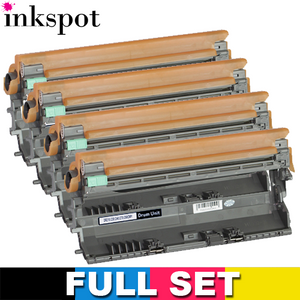
Before buying, consider whether you need standard or high yield. A home user who prints occasionally may prefer a standard cartridge, while a busy office will often benefit from high-yield toner. Also check whether your printer uses separate toner and drum units. If it does, replacing toner alone will not reset wear in the drum unit.
A dependable supplier should make this process straightforward, with a printer-model search option, clear compatibility information and real support when you are unsure. At Inkspot, customers can choose between genuine and compatible options for many popular printer models, helping them compare costs without guessing what fits.
Warranties, guarantees and common concerns
Using a compatible cartridge does not automatically void your printer warranty. If a printer develops a fault unrelated to the cartridge, the fact that you have used an aftermarket supply should not by itself remove your consumer rights. If a cartridge causes damage, however, the situation may be assessed based on the cause of the fault.
This is another reason to avoid the cheapest unknown option. A reputable retailer stands behind its products and gives you a clear path to resolve compatibility or quality issues. Keep your order details, packaging and any error message if a cartridge is not recognised or produces poor output.
Do not keep printing if you notice repeated toner leakage, grinding noises or marks worsening on every page. Remove the cartridge carefully, protect the surrounding area from loose toner and contact the supplier for troubleshooting. Toner is a fine powder, so it is best cleaned with a dry, soft cloth rather than hot water, which can cause it to fuse.
When genuine toner is the better call
Compatible toner is not an all-or-nothing decision. Some households and businesses use compatibles for routine mono printing while keeping genuine colour cartridges for a particular device or high-stakes work.
Genuine toner can be the better fit when your printer is very new and uses tightly controlled firmware, when you need manufacturer-certified output, or when colour consistency is central to your work. It can also provide extra peace of mind for users who print rarely and simply prefer to follow the printer maker’s recommendation.
The best choice is the one that balances print expectations, budget and convenience. Check the exact model before ordering, choose a supplier with clear compatibility details and a fair returns process, and keep a spare cartridge on hand before the next urgent print job lands on your desk.