
 Ink Brands
HP Toner Review: Genuine vs Compatible Cartridges
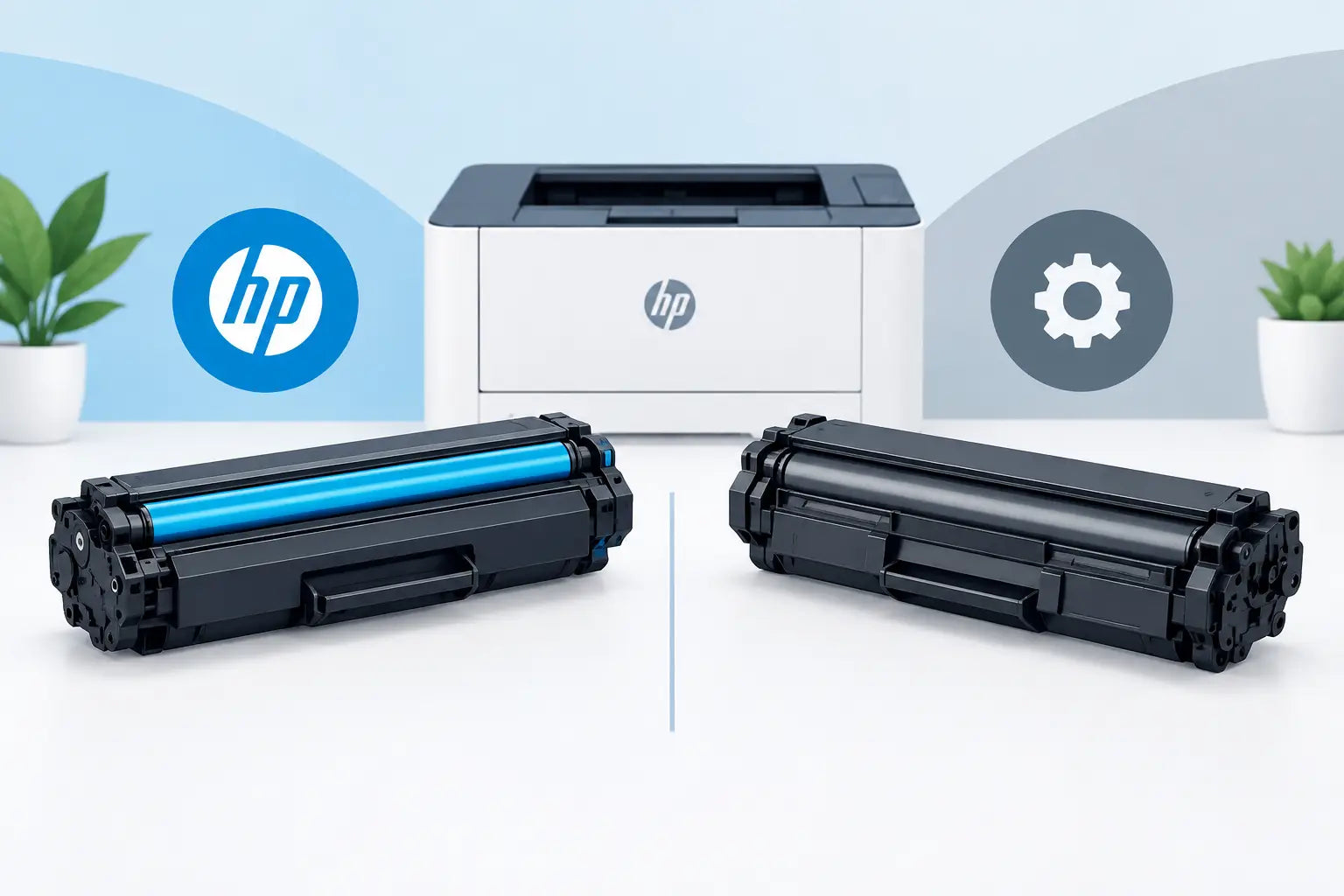
A replacement toner cartridge can look like a simple office purchase until you see the price difference between genuine HP and compatible options. This HP toner review looks at what that difference really means for print quality, reliability and running costs, so you can buy for your printer with confidence rather than guesswork.
For most homes and small businesses, HP LaserJet printers are valued because they are dependable and economical over time. The catch is that toner is an ongoing expense. Choosing the right cartridge is less about finding the lowest ticket price and more about matching the cartridge to the volume and type of printing you actually do.
HP toner review: what you are paying for
Genuine HP toner cartridges are made by HP for its own printers. They are designed, tested and packaged for a specific range of LaserJet models, with the printer recognising the cartridge straight away. If your office depends on consistent documents every day, that predictability is the main reason to choose genuine toner.
In practical terms, genuine HP toner generally delivers sharp black text, clean lines and even coverage from the first page to the last. It is particularly well suited to customer-facing documents, detailed reports, invoices and graphics where a patchy finish would look unprofessional. The cartridge chip also communicates toner status with the printer, which can make supply monitoring simpler in a busy office.
The downside is cost. Original equipment manufacturer cartridges include the manufacturer’s research, testing, branding and distribution costs, not just toner powder. For occasional printing, the higher upfront price may be easy to justify. For a business printing hundreds or thousands of pages each month, it can become a substantial part of the office budget.
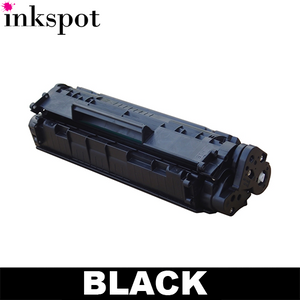
Compatible HP toner cartridges are made by third-party manufacturers to fit particular HP printer models. A good compatible cartridge is not a refilled old cartridge. It is a new replacement cartridge built to meet the relevant printer’s specifications, usually at a much lower price than the branded equivalent.
That saving is the strongest argument for compatible toner. It can make regular black-and-white printing far more affordable without asking most users to accept visibly poorer results. However, compatible quality is not identical across every supplier or product. The reliability of the manufacturer, the cartridge design and quality control all matter.
Print quality and page yield in real use
For everyday documents, quality compatible HP toner can produce crisp, dark text that is difficult to distinguish from genuine output. School assignments, shipping labels, internal forms, training material and standard office correspondence are all realistic uses. If you print mainly text, a compatible cartridge often offers excellent value.
Genuine toner can have the edge where output must be extremely consistent over long print runs, or where fine graphics and solid black areas are common. That does not mean a compatible cartridge will automatically perform poorly. It means there is more value in buying from a specialist supplier that clearly states compatibility and stands behind its products if there is a problem.
Page yield is another area where comparisons need care. Yield is the estimated number of pages a cartridge prints under standard test conditions, usually based on around 5 per cent page coverage. A page containing a few lines of text uses far less toner than a page packed with dense type, logos or images.
A high-yield HP toner cartridge costs more initially but holds more toner and normally brings down the cost per page. It suits workplaces that print regularly and do not want to replace cartridges every few weeks. Standard-yield cartridges can be the better choice for home users or small teams with lower volumes, especially if a printer may sit unused for periods.
Rather than choosing by price alone, compare the cartridge yield against your usual printing. A $120 cartridge that produces 3,000 pages can be better value than a $70 cartridge that produces 1,000 pages. The same thinking applies when comparing genuine and compatible options.
Genuine or compatible HP toner: which is right for you?
There is no single right answer. Genuine HP toner is a sensible choice when you need manufacturer-branded supplies, have a strict procurement policy, or print work where maximum consistency is non-negotiable. It also makes sense for buyers who simply prefer to keep every part of their printing setup within the original brand.
Compatible toner is often the practical choice for cost-conscious households, students, remote workers and small businesses. If your printer is used for routine documents and you want to reduce the ongoing cost of printing, a quality compatible cartridge can deliver a meaningful saving. The money retained on each replacement adds up quickly across several printers or frequent orders.
It is worth separating the cartridge warranty from the printer warranty. Using a compatible cartridge does not automatically cancel your printer’s consumer warranty. If a printer fault is unrelated to the cartridge, your normal rights remain. That said, if a cartridge itself is faulty or causes an issue, you need a supplier that will help resolve it promptly. Keep your order details and contact the retailer before disposing of the cartridge or changing several settings on the printer.
Compatibility matters more than the cartridge name
HP uses similar names across many LaserJet printer ranges, but cartridges are not interchangeable just because they look alike. A cartridge that fits one model in a series may not work in another. Ordering by cartridge code or your exact printer model is the safest approach.
Before checking out, find the full model number on the front of the printer, its settings page or a label on the rear. Then confirm that the cartridge listing names that exact model. Take care with letters and numbers at the end of a model name, as these can indicate a different machine or regional variant.
This is where printer-model search tools are genuinely useful. They reduce the chance of ordering the wrong toner, which saves time, return freight and the frustration of having a printer out of action. At Inkspot, customers can shop by printer model and choose between genuine and compatible options where available, rather than trying to decode cartridge numbers from memory.
A few practical issues to expect
Modern HP printers may display a message when a compatible cartridge is installed. In many cases, this is an informational notice rather than a fault, and printing can continue after you acknowledge it. Read the on-screen message rather than assuming the cartridge is defective.
Firmware updates can occasionally affect how printers identify third-party cartridges. If your printer is working well with a compatible toner cartridge, consider whether automatic firmware updates are necessary before applying them. This is not a reason to avoid updates that address a genuine security or operational issue, but it is sensible to understand what is being installed.
Storage also influences cartridge performance. Keep unopened toner in a cool, dry spot away from direct sunlight, and leave it sealed until needed. When installing a new cartridge, follow the preparation instructions, which may include gently rocking it side to side to distribute toner evenly. Do not touch the imaging drum or electrical contacts unless the instructions specifically tell you to.
If pages come out faint, streaky or marked, first check whether the cartridge seal has been fully removed and whether the correct cartridge was fitted. Run the printer’s cleaning or calibration function if available. If the issue continues, contact the supplier with photos of a test page. A straightforward returns policy and local support are worth far more than a tiny extra saving from an unknown marketplace seller.
The smarter way to manage HP toner costs
The best HP toner choice is the one that suits your printer, print volume and expectations. Genuine cartridges offer the greatest brand-to-printer certainty. Compatible cartridges can lower your cost per page considerably when bought from a reputable supplier with clear compatibility information and customer support.
For many Australian homes and smaller workplaces, a mixed approach works well: use a compatible high-yield black cartridge for routine printing, and select genuine supplies where brand policy or specialised print requirements call for them. Check your exact printer model, compare yield as well as price, and keep a spare on hand before the current cartridge is completely empty. That small bit of planning keeps the printer working when the next deadline arrives.