
 Ink Brands
 Compatible Toner Buyer Guide for Australian Printers
A toner cartridge that looks right is not necessarily the right cartridge. One wrong letter in a printer model, or a cartridge chosen by appearance rather than code, can leave a home office or busy workplace stuck with supplies it cannot use. This compatible toner buyer guide explains how to buy with confidence, save on everyday printing and avoid the common traps.
Compatible toner can be a practical alternative to genuine brand-name cartridges, particularly when your printer handles regular reports, invoices, schoolwork or shipping labels. The key is to match the cartridge to your exact printer, buy from a supplier that stands behind its products and choose the capacity that suits how much you actually print.
What compatible toner means
A compatible toner cartridge is a new cartridge made by a third-party manufacturer to work with a specific printer range. It is not made by the printer brand, but it is designed to fit the same cartridge slot and deliver comparable page yields for everyday printing.
This is different from a remanufactured cartridge. Remanufactured cartridges are previously used genuine cartridges that have been cleaned, inspected and refilled. Both options can offer savings, but compatible toner is generally a newly manufactured alternative. Check the product description so you know which type you are buying.
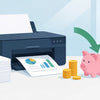
The main reason people choose compatible toner is cost. Printer manufacturers often sell printers at an attractive upfront price, then recover more of the cost through branded consumables. A quality compatible cartridge can reduce your ongoing printing spend without asking you to replace a printer that is otherwise doing the job well.
That does not mean every compatible cartridge is identical. Toner formulation, cartridge components, quality control and after-sales support all vary. The lowest price is only a good deal if the cartridge fits, prints consistently and is backed by a clear returns policy.
Start with your printer model, not the cartridge photo
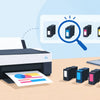
The safest way to buy toner is to identify your exact printer model first. Look at the front of the printer, its settings menu or the label on the back or underneath. Record the full model number, including any letters after the number. For example, printers in the same family can use different cartridges depending on the exact variant.
Next, check the cartridge code currently installed in the printer. This is usually printed on the cartridge label or packaging. It is useful confirmation, but your printer model should remain the starting point, especially if the existing cartridge was supplied by someone else.
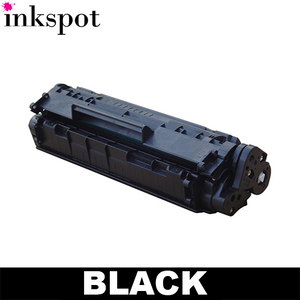
Avoid ordering based on a product photo or a vague description such as “fits HP laser printers”. Cartridge shells can look very similar while having different chips, fittings or page yields. A proper product listing should name compatible printer models and show the relevant cartridge code.
If you are buying for an office, keep a simple record of each printer model and the toner it uses. It saves time when stock runs low and helps prevent well-meaning staff from ordering a cartridge for the printer in the next room.
Check black, colour and special toner separately
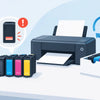
Monochrome laser printers use black toner only. Colour laser printers typically require black, cyan, magenta and yellow cartridges. A colour printer may stop printing certain jobs when one colour is empty, even if you mostly print black text.
Some models use separate drum units, waste toner bottles or fuser units in addition to toner cartridges. Others combine the drum and toner in one unit. These parts have different replacement schedules, so do not assume a new toner cartridge will solve every print-quality issue. Repeated marks, grey backgrounds or faded patches can point to a worn drum or another printer component.
Compare page yield, not just cartridge price
Page yield is the estimated number of pages a cartridge can print under standard test conditions. It gives you a much more useful comparison than the shelf price alone.
A standard-yield cartridge has a lower upfront cost and may be suitable for occasional printing at home. A high-yield or extra-high-yield cartridge costs more initially but usually brings down the cost per page. For a small business printing quotes, forms or customer paperwork each week, higher-capacity toner often makes better financial sense.
Published yields are estimates, not promises. They are commonly based on pages with around 5 per cent coverage, which is a modest amount of text. A full-page flyer, bold graphic, dense spreadsheet or image-heavy document uses considerably more toner. If your real-world yield seems lower than expected, look at what you print before assuming the cartridge is faulty.
Consider storage as well. Buying multipacks can be sensible if you use the same printer regularly, but do not fill a cupboard with toner for a printer you may soon replace. Keep unopened cartridges in a cool, dry place and leave them sealed until needed.
Decide when compatible toner is the right choice
For most everyday black-and-white printing, compatible toner can be an excellent value choice. It suits households, students, remote workers and businesses where dependable documents matter more than matching a particular brand on the box.
Genuine toner may still be the better fit in some situations. You may prefer it for highly colour-critical work, such as proofing marketing materials where a precise brand colour is required. It can also be a sensible choice where an organisation has a manufacturer supply agreement or needs to follow strict internal procurement rules.
For everyone else, the decision usually comes down to print volume, budget and supplier confidence. Buying compatible does not need to mean taking a gamble. Look for accurate compatibility information, transparent yields and a supplier that will help if a cartridge does not perform as expected.
What to look for in a compatible toner supplier
A good compatible toner product should be easy to identify and easy to return if there is a genuine issue. Before placing an order, make sure the seller provides clear model compatibility and explains whether the cartridge is standard or high yield.
Support matters more than many buyers realise. If a printer displays a cartridge message, the fix might be as simple as removing a protective seal, reseating the cartridge or restarting the machine. Being able to speak with someone who understands printer consumables is far more useful than being left with a generic marketplace listing.
Also check delivery times, shipping thresholds and the returns process before you run out. Australian businesses often cannot afford to wait a week for a basic office supply, while home users appreciate being able to order before the last pages become faint. Inkspot provides a broad range of printer-specific options, Australia-wide delivery and a 30-day money-back guarantee to make that decision less stressful.
Avoid the mistakes that cause most toner problems
Compatible cartridges work best when they are installed carefully. Before opening the box, confirm the cartridge code against your printer model one last time. Keep the packaging until you have printed a test page.
When installing, remove all pull tabs, protective clips and sealing strips exactly as shown in the instructions. Handle the cartridge by its sides where possible, and avoid touching the drum surface or roller. Toner is a fine powder, so if a small amount spills, wipe it with a dry cloth rather than using hot water, which can cause it to fuse.
Printer firmware is another consideration. Manufacturers sometimes release updates that change how a printer recognises cartridges. That does not mean you should never update your printer, particularly where security or reliability updates are involved. It does mean you should read update notices, understand your printer settings and contact your toner supplier if a cartridge recognition message appears after an update.
Do not ignore a print-quality problem just because the cartridge is compatible. Print a cleaning or calibration page if your printer offers one, check that toner is distributed evenly and inspect the paper tray for damp or poor-quality paper. Many printing issues have causes unrelated to the cartridge.
A quick pre-purchase check
Before adding toner to your cart, confirm four things: your full printer model, the correct cartridge code, whether you need standard or high yield, and whether your printer also uses a separate drum or waste toner unit. Those few checks prevent most ordering errors.
Then buy according to your printing habits rather than the cheapest individual unit. A household that prints a few forms each month may be best served by one standard cartridge. An office that sends out invoices every day is likely to benefit from high-yield cartridges or a multipack kept on hand.
Can compatible toner void a printer warranty?
Using a compatible cartridge does not automatically void an Australian consumer's printer warranty. If a supplier claims a compatible cartridge caused a specific fault, the situation may need to be assessed. Keep your purchase records and choose a supplier with clear support and returns processes.
Is compatible toner safe for laser printers?
A properly matched, quality compatible toner cartridge is designed for the printer models listed in its compatibility details. The safest approach is to avoid poorly described products and never force a cartridge that does not slide into place easily.
Why does my printer say toner is low when prints still look fine?
Many printers estimate toner levels using page counts or cartridge chip data rather than measuring every grain of toner. If print quality remains clear, you may still have useful life left. Keep a replacement ready, but replace the cartridge when output fades or the printer stops printing.
The best toner purchase is not simply the one with the lowest price tag. It is the cartridge that matches your printer, suits your print volume and arrives with support behind it. Get those details right once, and keeping the printer running becomes one less thing to think about.